A Last-Minute Twist
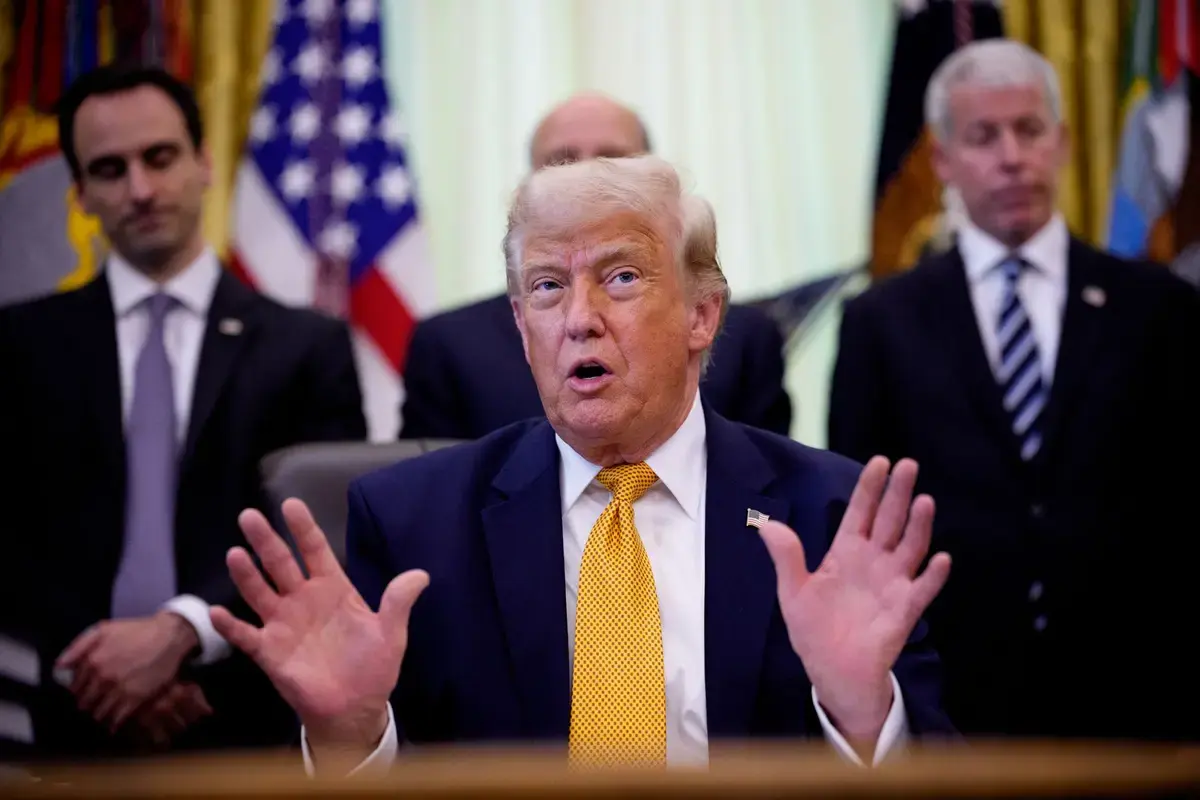
The US Congress was set to celebrate President Trump's signing of a bipartisan housing bill containing a central bank digital currency (CBDC) prohibition on June 24, 2026. However, Trump abruptly cancelled the event, refusing to sign the bill.
Breaking news
 Bitcoin Miners Grapple With Rising AI Funding Costs Amid Tightened Lender Scrutiny
 Ethereum Reserves on Binance Hit Seven-Month Low Amid Sharp Liquidity Decline
 Ontology Halts L1 Blockchain for 41 Hours Over an Unknown Threat
 Ethereum Visionary V. Buterin Announces 2030 Upgrade Roadmap
Trump's decision was due to the bill not including an elections bill he demanded. The housing bill had been passed with bipartisan support, but Trump's refusal to sign it could delay Congressional proceedings.
Will the CBDC Ban be Scrapped?
The cancellation caught lawmakers off guard, with many expecting the president to sign the bill into law. The CBDC prohibition was a key component of the legislation, aimed at preventing the Federal Reserve from issuing a digital dollar.
The housing bill had been hailed as a significant achievement, with lawmakers from both parties praising its provisions. However, Trump's insistence on linking it to an elections bill has thrown a wrench into the works.
The fate of the CBDC prohibition is now uncertain, with some lawmakers expressing concerns that it may be dropped altogether. Trump's refusal to sign the bill has put pressure on Congress to revisit the legislation.
Frequently Asked Questions
The consequences of Trump's actions could be far-reaching, potentially delaying the passage of important legislation. The Clarity Act, which is linked to the housing bill, may also be imperiled.
What is a CBDC? A central bank digital currency is a digital form of a country's currency, issued and regulated by the central bank. Why did Trump refuse to sign the bill? Trump demanded that an elections bill be included in the legislation before he would sign it. What happens next? The fate of the housing bill and the CBDC prohibition remains uncertain, with Congress likely to revisit the legislation.