
Corporate Resistance Hits 38 Firms
Walmart and Eli Lilly have formally objected to the tokenization of their shares on OKXICE. They join a broader coalition of corporations pushing back against the platform. The move brings the total number of corporate objectors to 38. This growing resistance highlights mounting friction between traditional equity holders and blockchain-based trading initiatives. The objections stem from concerns over how tokenized shares interact with existing shareholder rights and regulatory frameworks.
Breaking news
 Bitcoin Miners Face Hardware Shortage as AI Boom Strains Chip Supply
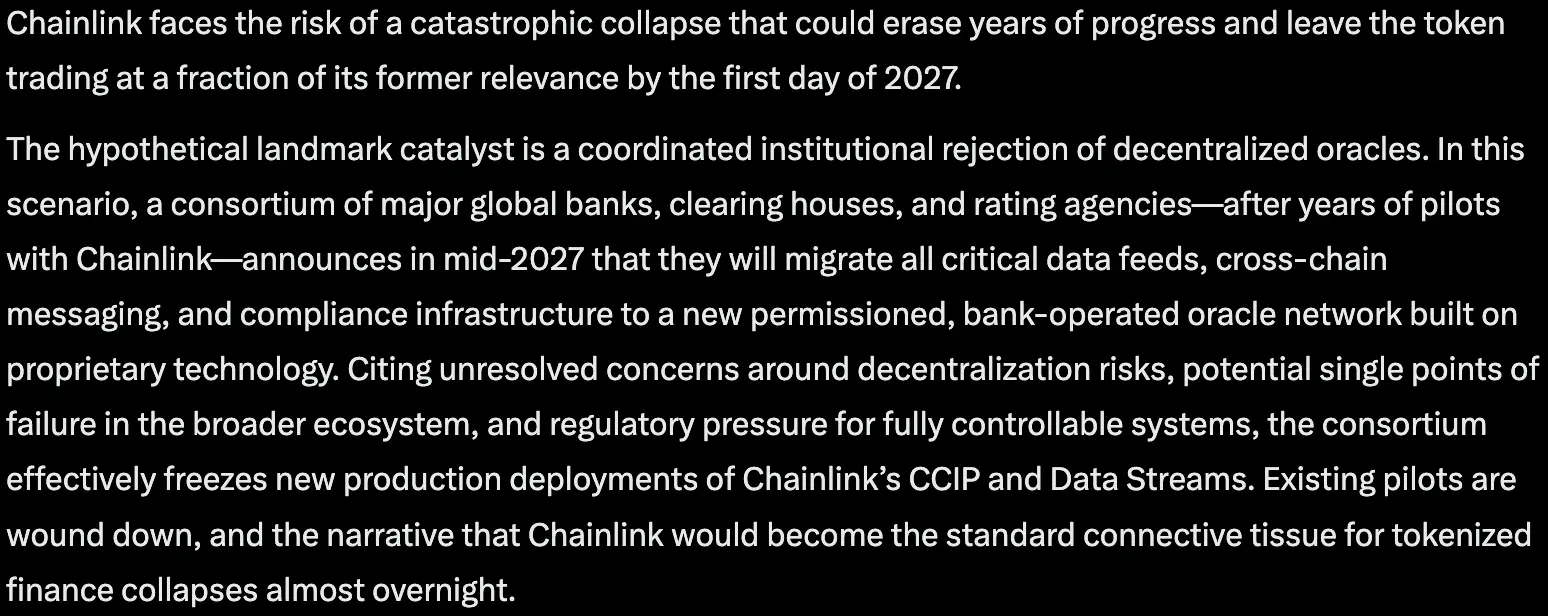 Claude AI Forecasts Chainlink Plunge in 2027
 XRP Crashes to $0.87 as ETF Assets Fall Below $1 Billion
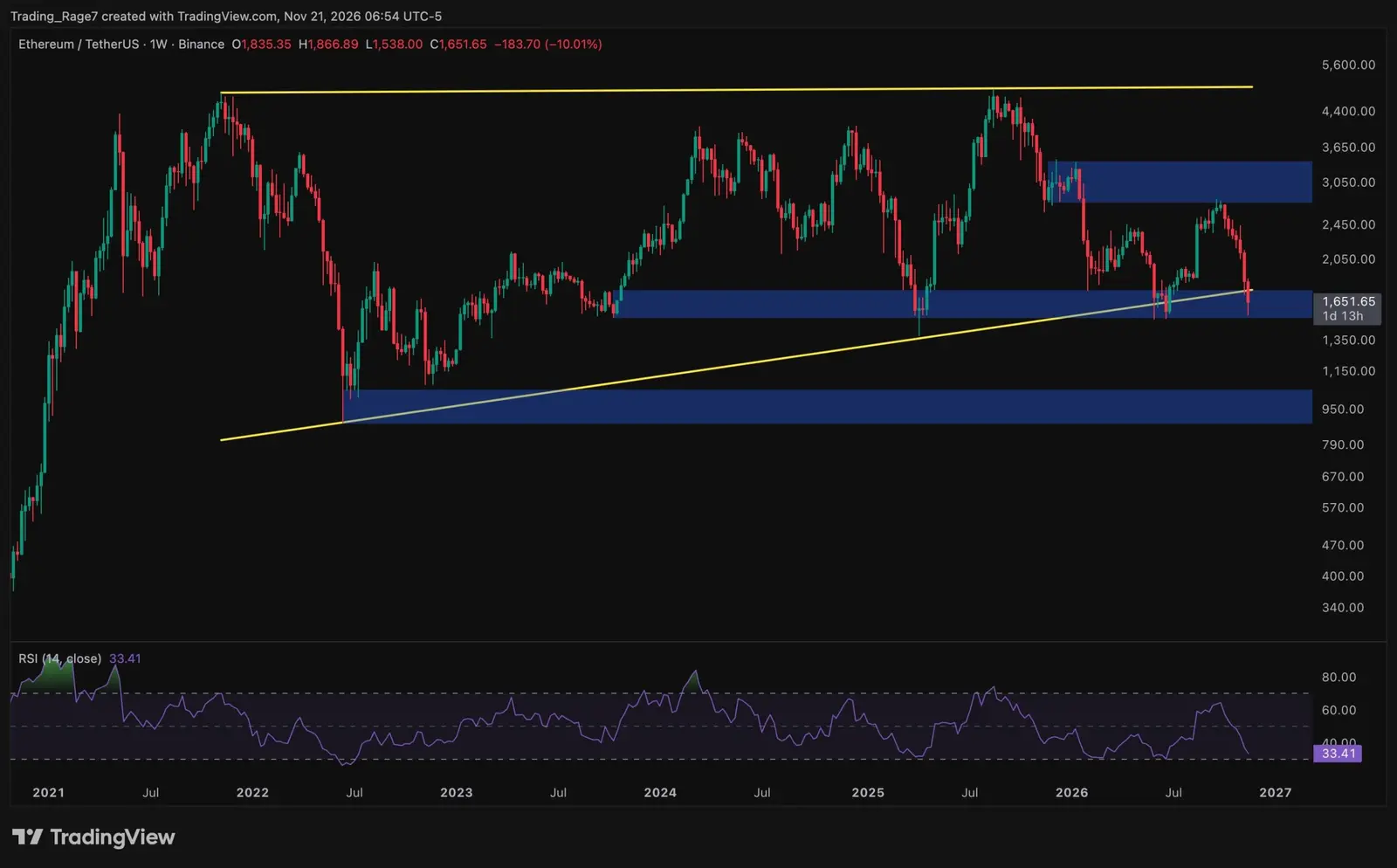 Ethereum price analysis: Did ETH hit its macro bottom after a 30% monthly drop?
The latest additions to the list of objectors signal a coordinated effort to slow or halt the rollout of tokenized stocks. Walmart and Eli Lilly are now part of a larger group of 38 companies formally opposing the initiative. This number reflects a significant shift in corporate sentiment. Many firms worry that tokenization could dilute their control over share structure and investor base. The platform aims to bring traditional equities onto a blockchain ledger, but companies fear unintended consequences for governance and compliance.
Why Are So Many Companies Objecting?
Companies are concerned that tokenized shares may bypass traditional shareholder protections. They also worry about regulatory ambiguity surrounding digital securities. The 38 objectors include major names across retail, pharmaceuticals, and other sectors. Their resistance could delay or reshape the tokenization rollout. Some firms argue that the current framework lacks clarity on voting rights and transfer restrictions.
How many companies have objected to OKXICE tokenized stocks? 38 companies have formally opposed the initiative. Walmart and Eli Lilly are the latest additions to this list.
Frequently Asked Questions
What is OKXICE? OKXICE is a blockchain-based platform that aims to tokenize traditional stock shares for trading. It seeks to bring equity securities onto a distributed ledger.
Why do companies oppose tokenization? Firms worry about governance control, regulatory uncertainty, and potential dilution of shareholder rights. The objections reflect broader skepticism about integrating traditional equities with blockchain technology.