Issuers Cite Compliance Concerns and Market Integrity
The Securities and Exchange Commission’s new framework for tokenized securities has drawn criticism from several high‑profile companies, including Broadcom, Verizon, and UnitedHealth. In a recent development, eight additional firms have joined the protest, arguing that the proposed OKX‑ICE trading venue poses regulatory and operational risks. The move comes as Nasdaq signals it will decline participation under the SEC’s guidelines.
Breaking news
 Bitcoin Miners Face Hardware Shortage as AI Boom Strains Chip Supply
 Claude AI Forecasts Chainlink Plunge in 2027
 XRP Crashes to $0.87 as ETF Assets Fall Below $1 Billion
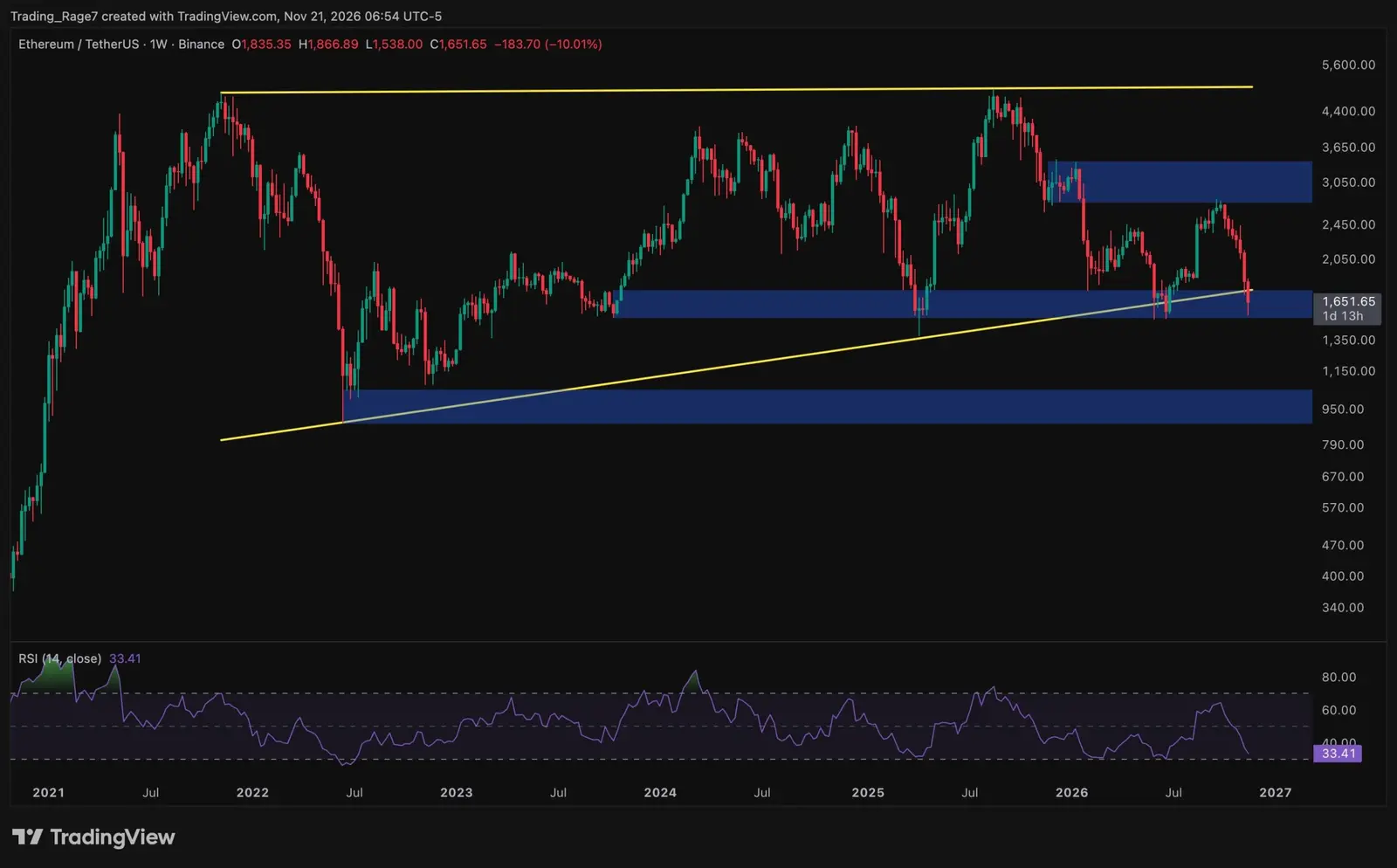 Ethereum price analysis: Did ETH hit its macro bottom after a 30% monthly drop?
Broadcom, Verizon and UnitedHealth are among nine corporations that have formally objected to having their shares listed on the OKX‑ICE platform. The companies claim the venue’s lack of robust compliance mechanisms and the potential for market manipulation undermine investor confidence. The SEC’s tokenized stock framework, which aims to allow digital representations of traditional shares, has been met with mixed reactions. While the regulator says the system will broaden market access, issuers fear that the new technology could expose them to unforeseen liabilities.
The objections center on the platform’s ability to enforce trading rules and protect investors. Several issuers have highlighted the absence of a clear audit trail for tokenized transactions, which could complicate regulatory oversight. „We worry that the lack of a proven compliance infrastructure could invite fraud,” said a spokesperson for one of the protesting firms. The companies also point to the limited track record of OKX‑ICE in handling large institutional orders, raising doubts about liquidity and price stability. In addition, the SEC’s framework requires issuers to maintain detailed disclosures, and the new format may complicate the reporting process.
Will the Framework Stall, or Will It Persist?
The SEC has defended the framework, noting that it builds on existing securities law and provides a structured approach to digital asset trading. It also maintains that the platform will be subject to rigorous oversight, including periodic audits and compliance checks. However, the delay in approvals and the growing list of objections have led some issuers to question whether the SEC’s timeline is realistic. Nasdaq’s decision to opt out of the framework further signals that the market is uncertain about the viability of tokenized listings.
The growing opposition could force the SEC to revisit its approach to tokenized securities. If the regulator is unable to address the issuers’ concerns, the framework might be postponed or scaled back. On the other hand, proponents argue that the technology could unlock new capital markets and provide investors with greater flexibility. The outcome will hinge on whether the SEC can demonstrate that the platform meets stringent security and compliance standards. The next few weeks will be critical as the agency reviews the objections and prepares to either amend the rules or proceed with the current plan.
The implications for the broader market are significant. A successful tokenized trading platform could create a new class of digital assets and attract tech‑savvy investors. Conversely, a failure to gain issuer support might stall innovation and reinforce traditional exchanges’ dominance. Market participants will watch closely as the SEC and the protesting companies negotiate the future of tokenized securities.
Frequently Asked Questions
What is the SEC’s tokenized stock framework? It is a set of rules that allows companies to issue digital tokens that represent traditional shares, enabling trading on blockchain‑based platforms while maintaining compliance with securities laws.
Why are companies like Broadcom and Verizon objecting? They cite concerns over regulatory oversight, market integrity, and the lack of proven compliance mechanisms on the proposed OKX‑ICE venue.
What could happen if the SEC does not address these objections? The framework may be delayed or scaled back, potentially stalling the growth of tokenized securities and limiting new market entrants.