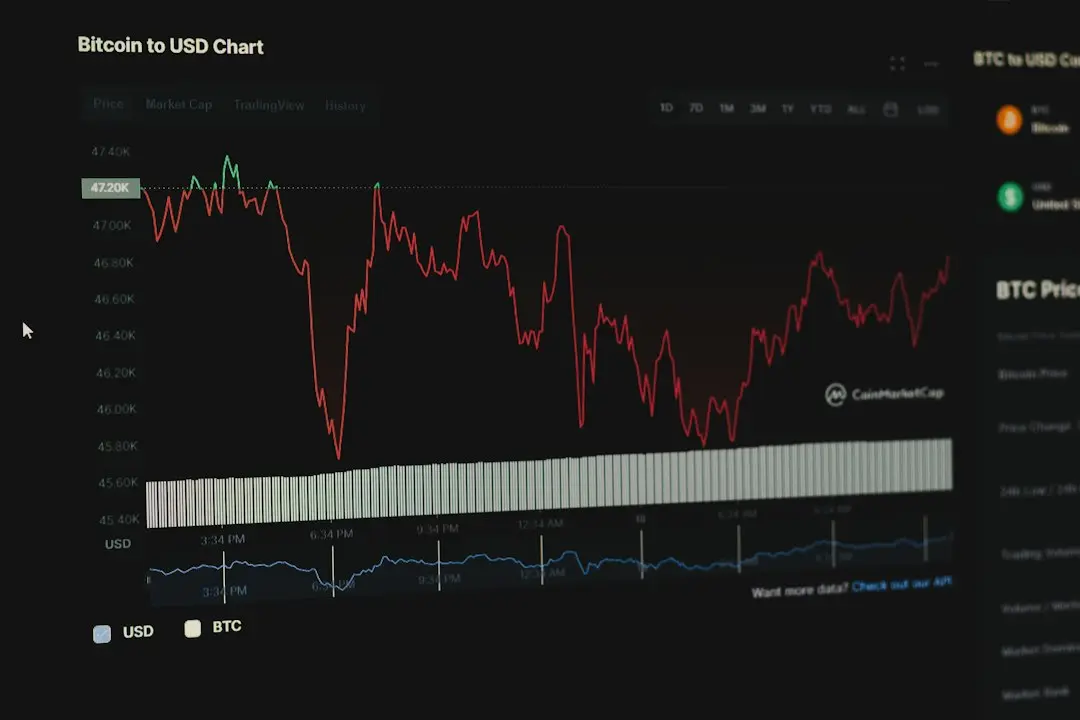
How Slipstream's MEV Auction Works
Aerodrome Finance has deployed Slipstream, a major upgrade to its concentrated liquidity automated market maker that introduces protocol-level MEV capture and dynamic fee mechanisms. The launch represents one of the first implementations of an internal MEV auction designed to redirect value typically extracted by bots back to liquidity providers and sAERO token holders.
Breaking news
 Solana Sandwich Bots Extract $29.7 Million, Mostly Targeting Pump.fun
 South Korean Bank Launches Bitcoin-Backed Corporate Lending Program
 Standard Chartered Expands Crypto Custody Services to Singapore
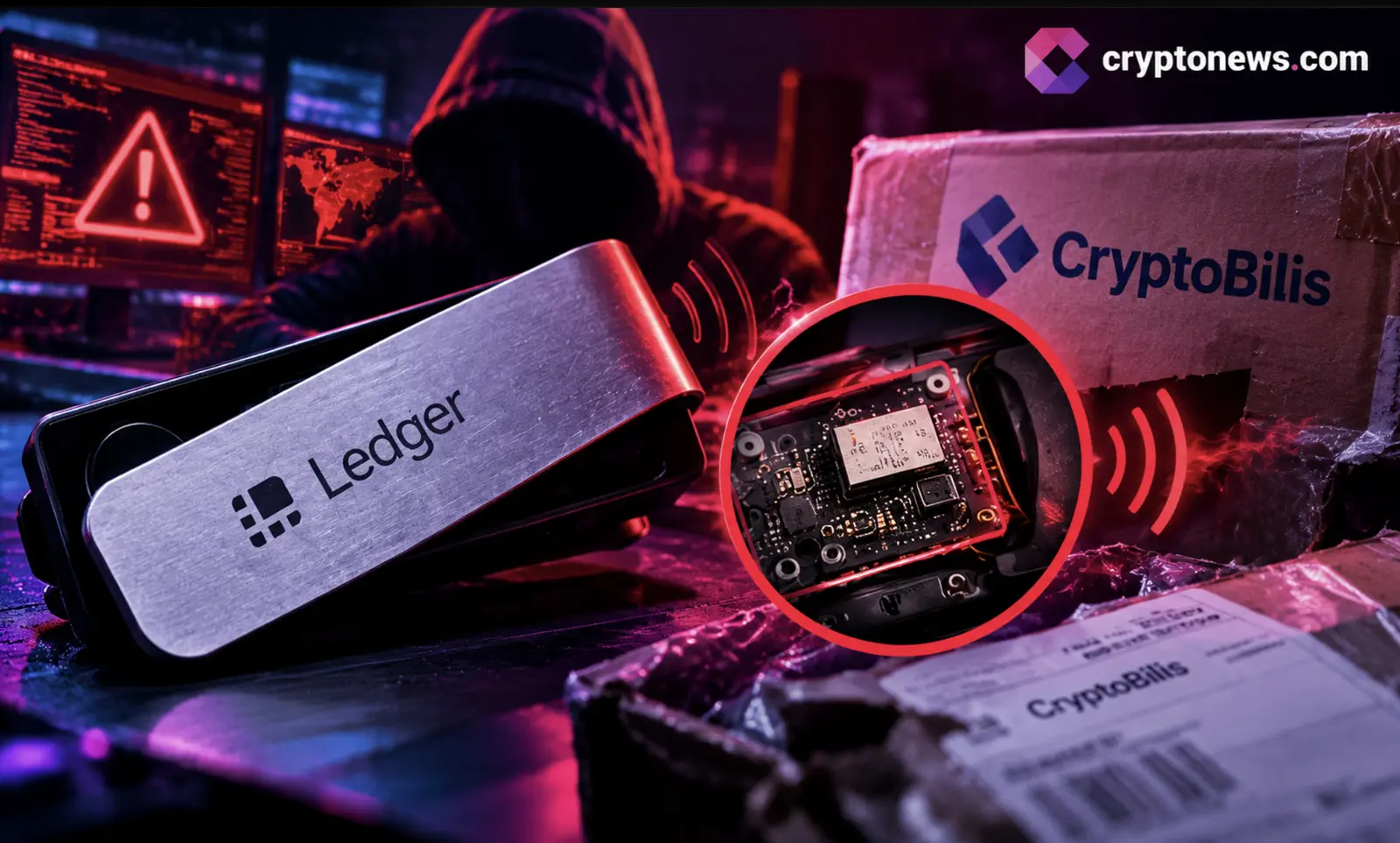 Hardware Implant Discovered in Crypto Wallet Security Investigation
The Slipstream architecture incorporates a novel MEV auction layer that activates when arbitrage opportunities arise across trading pairs. Rather than allowing external bots to freely extract this value, the protocol captures it through an internal bidding process and distributes proceeds according to predetermined rules. Liquidity providers receive a portion of the captured MEV based on their share of the pool, while sAERO stakers benefit from additional yield through the redistribution mechanism. Dynamic fees adjust in real-time based on pool utilization and volatility, replacing the static fee structures common in other AMMs.
When arbitrageurs identify price discrepancies between markets, they typically submit transactions that bots can front-run or sandwich for profit. Slipstream intercepts these opportunities by creating an auction window where qualified participants bid for the right to execute the arbitrage. The highest bidder pays the auction price, with the majority flowing to LPs and a portion allocated to sAERO holders. This design transforms what was previously value destruction into a positive sum game that rewards protocol participation. Early simulations suggest MEV capture rates could increase LP yields by 15-30% depending on pool configuration and trading volume patterns.
What Challenges Remain for Protocol-Level MEV Capture
The implementation faces several hurdles that could affect its effectiveness. Network congestion on Base may delay auction settlement windows, reducing arbitrageur participation. The protocol must also balance auction timing to prevent excessive transaction costs while maintaining competitive bidding. Additionally, sophisticated MEV searchers might develop strategies to circumvent the auction mechanism entirely. These technical challenges have yet to be fully validated under live market conditions.
How does Slipstream distribute captured MEV? Liquidity providers receive the majority based on their pool share, while sAERO stakers get a portion through token emissions.
Frequently Asked Questions
What pools will implement this mechanism? Initially, high-volume pairs like USDC/USD and AERO/USD will activate the MEV auction, with expansion to other pairs planned.
Can arbitrageurs still profit under this system? Yes, but they must compete in the auction, paying for the right to extract value rather than doing so freely.
The consequences of this upgrade extend beyond Aerodrome's immediate user base. If successful, Slipstream could establish a new standard for DeFi liquidity incentives, demonstrating that MEV can be productively integrated rather than merely extracted. Other AMM protocols may explore similar mechanisms, potentially reshaping how value flows through decentralized exchanges. The success of this experiment will largely depend on whether the auction design can maintain efficiency while providing meaningful additional yield to participants.