Attack Vector and Initial Breach
Binance detected recruitment scams, malicious developer tools, and fake video conferencing apps. Yi He acknowledged the severe cost of the breach. The exchange is actively buying back less liquid tokens to restore reserves. US investigators attributed the October 29 hack to North Korea’s TraderTraitor group. He detailed the attempted incursions in a November 3 post on X.
Breaking news
 Bitcoin Miners Face Hardware Shortage as AI Boom Strains Chip Supply
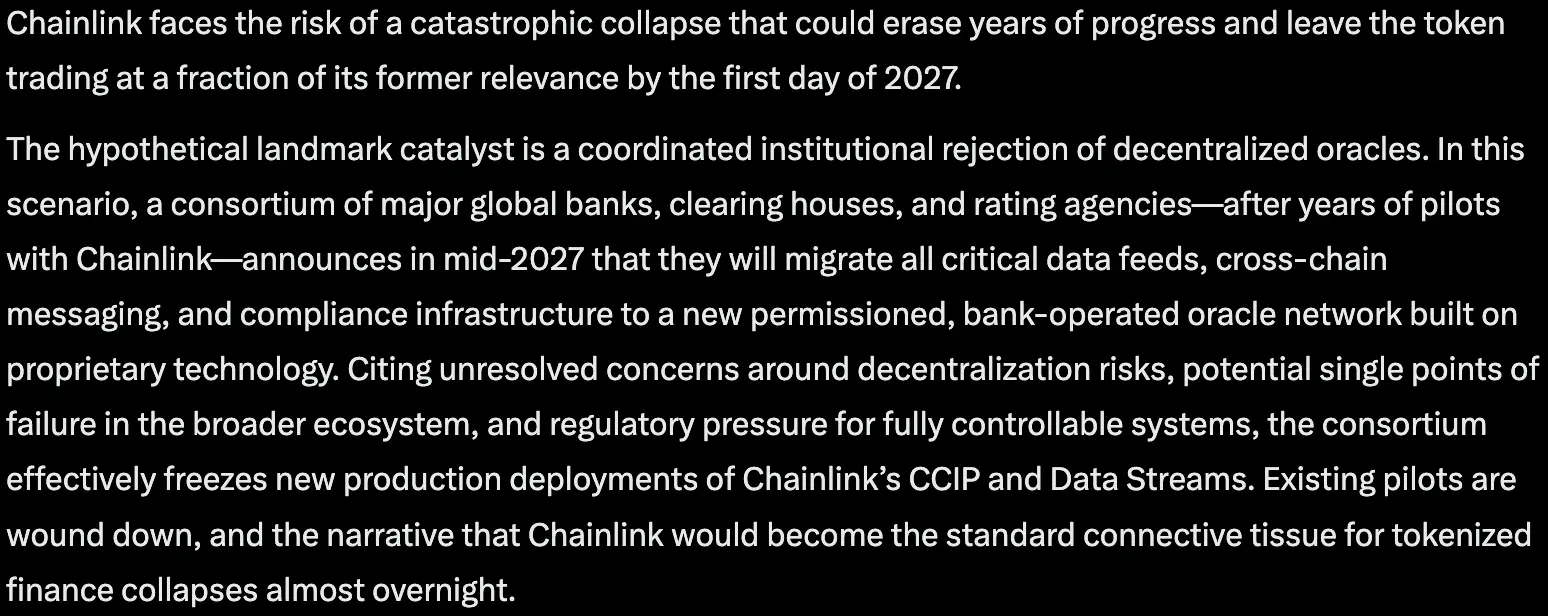 Claude AI Forecasts Chainlink Plunge in 2027
 XRP Crashes to $0.87 as ETF Assets Fall Below $1 Billion
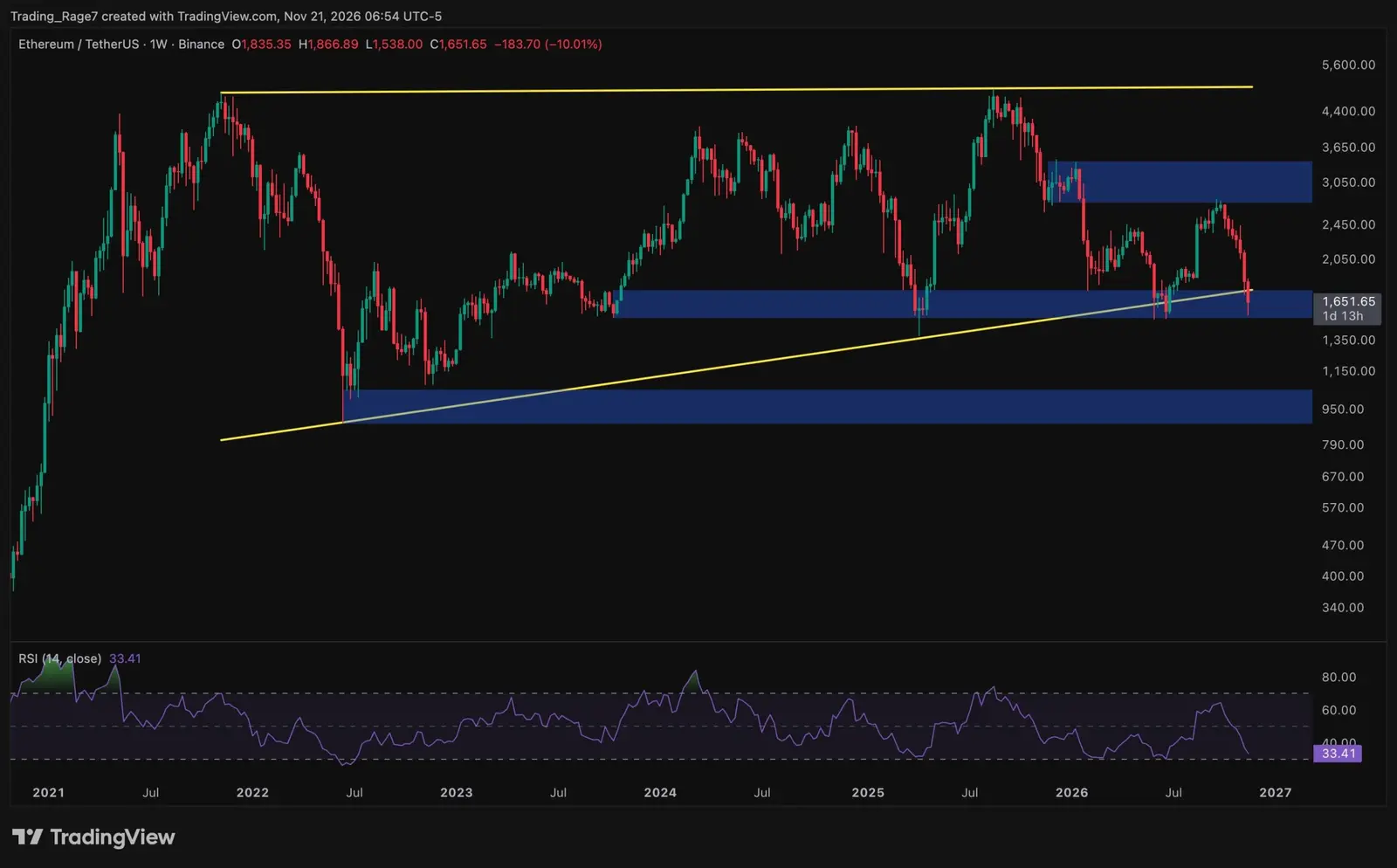 Ethereum price analysis: Did ETH hit its macro bottom after a 30% monthly drop?
Social Engineering Tactics
The account described repeated efforts to reach employees. Attackers used fake job interviews and compromised software packages. Malicious browser extensions were disguised as popular developer tools. Fake video conferencing apps served as another entry point. The goal was to steal credentials or install remote access malware. „We intercepted many, but the cost of failing to stop even one was severe,” Yi wrote.
Compromised Engineer and Wallet Access
In September, a software engineer was contacted via a legitimate job platform. A fake project director conducted a video interview. The second interviewer, posing as an executive, instructed the engineer to download a task. The task contained malicious code that executed during installation. It evaded endpoint security tools. On October 20, the attacker used the compromised computer and an internal AI tool. This granted access to two wallet engineers. The stolen credentials allowed access to wallet operations.
Recovery and Token Replacement
Binance stated that 98% of affected token assets have been replaced. The company is purchasing the remaining less liquid assets. It allocated more funds than needed to cover the loss. Bitcoin withdrawals reopened on November 1. Richard Teng placed the resumption at approximately 95%. The exchange identified BTC, ETH, USDT, BNB, SOL, USDC, XRP, USD1, RLUSD, and ZEC as fully supported.
US Investigation and FBI Alert
The FBI’s October 31 cyber alert attributed the hack to North Korea. It identified the activity as TraderTraitor. Working with the Secret Service and IRS-CI, the bureau observed attackers converting stolen assets into Ether. They expected further laundering via DeFi services. Agencies urged exchanges and blockchain analytics firms to block transactions involving listed addresses.
North Korea Denial and Asset Tracing
North Korea denied involvement on November 3. Kim Yo Jong rejected the FBI’s accusation in a state media statement. Stolen funds entered CoinJoin transactions. Separate tracing work documented the movement of stolen assets. Elliptic identified approximately 28 BTC, worth $2.2 million, entering 18 CoinJoin transactions. These bitcoins came from converted stolen assets. The 18,270 BTC taken directly from Binance remained in 19 addresses. The firm’s investigation covered approximately 12,000 wallets and 40,000 transactions.