
How the Hack Bypassed Binance’s Defenses
South Korean blockchain‑security firm TRM Labs announced it has „high confidence” that the North Korean cyber‑crime outfit known as TraderTraitor orchestrated the massive theft of roughly $6.3 billion from Binance’s platform. The claim is reinforced by independent on‑chain analyst ZachXBT, who traced the stolen coins from both Binance and Bitget attacks to a single wallet address linked to the group. The findings were corroborated by Chainalysis, which provided additional transaction‑level evidence.
Breaking news
 Bitcoin Miners Face Hardware Shortage as AI Boom Strains Chip Supply
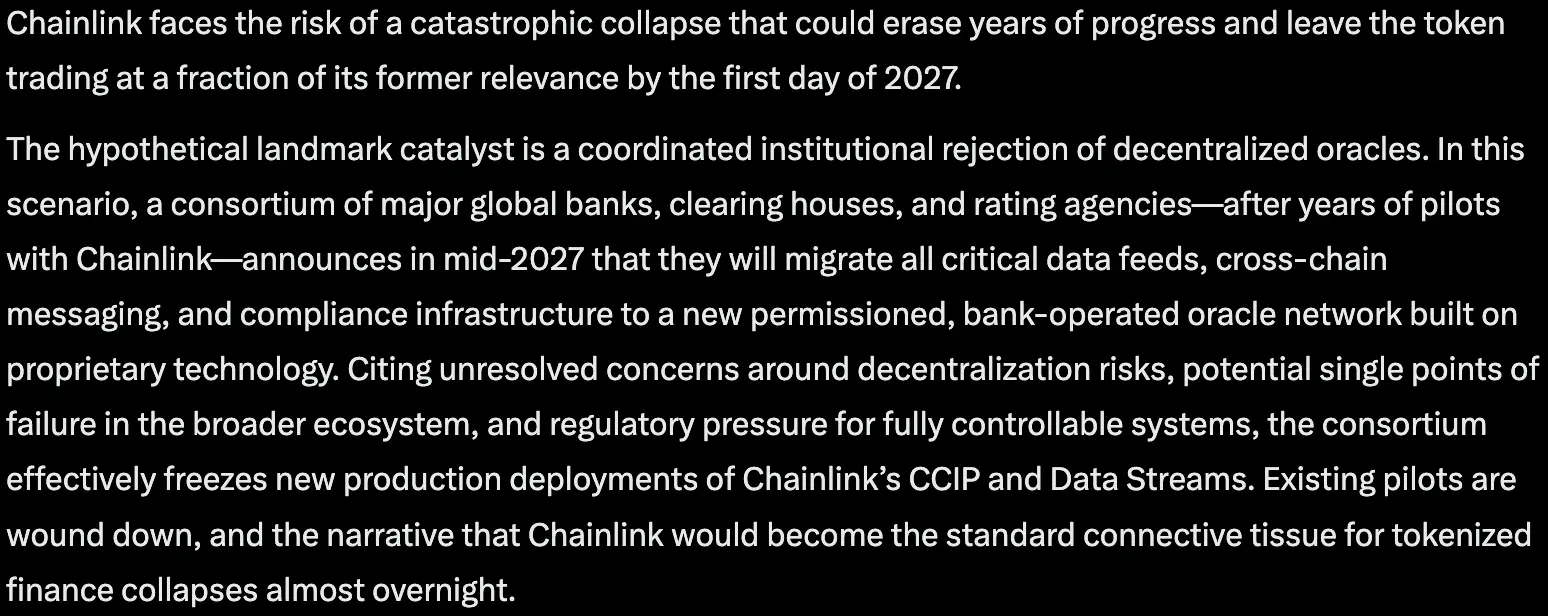 Claude AI Forecasts Chainlink Plunge in 2027
 XRP Crashes to $0.87 as ETF Assets Fall Below $1 Billion
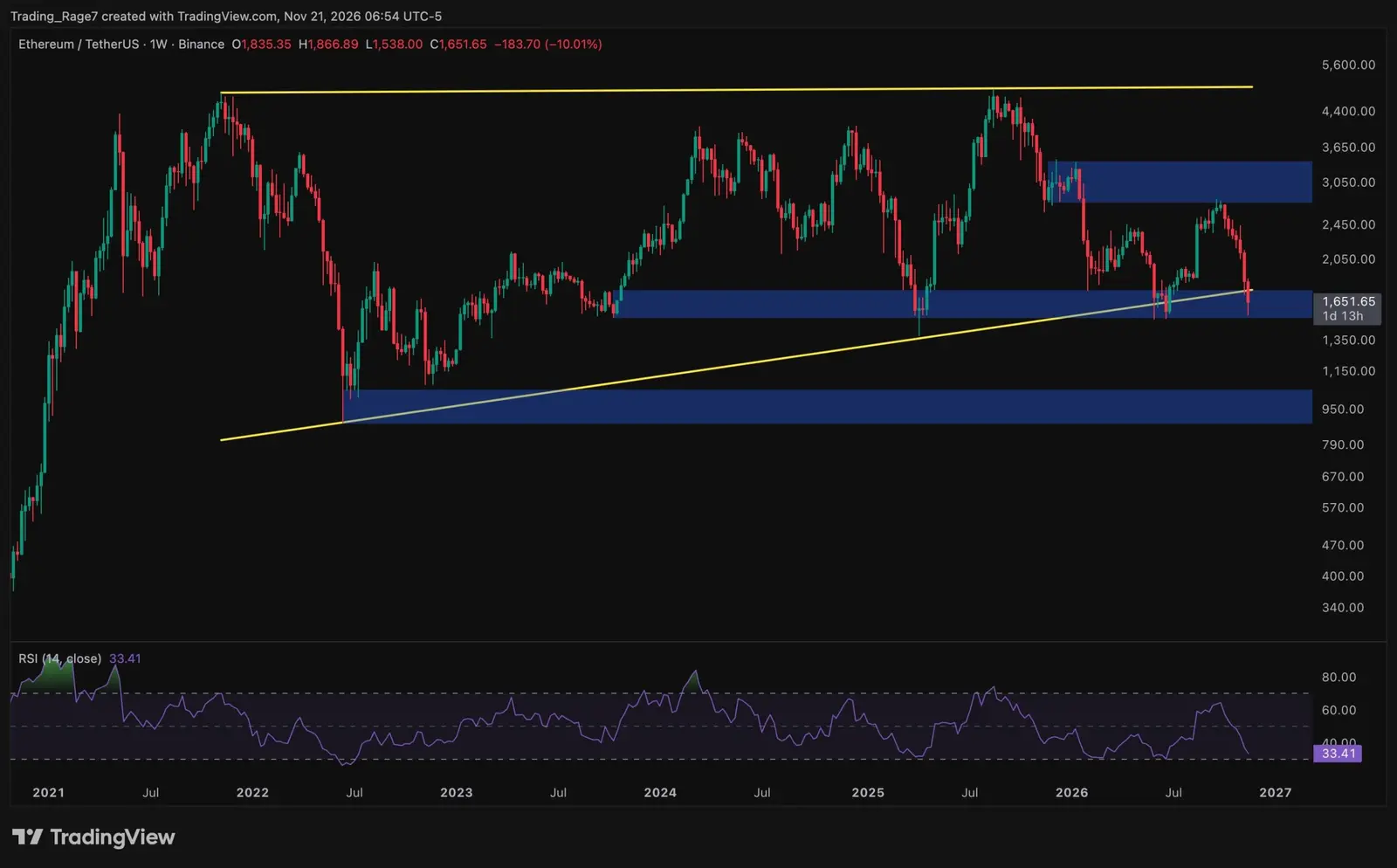 Ethereum price analysis: Did ETH hit its macro bottom after a 30% monthly drop?
The investigation began after Binance disclosed a large‑scale breach in early 2024 that saw billions of dollars in crypto siphoned from its hot wallets. TRM Labs, using proprietary blockchain‑analytics tools, identified a pattern of fund movements that matched previous North Korean operations. ZachXBT, a well‑known blockchain sleuth, independently followed the trail and found that the same address received proceeds from the Bitget hack, suggesting a shared laundering hub. Chainalysis supplied further corroboration by mapping the flow of assets through a series of mixers and exchanges, ultimately pointing to a cluster of wallets under the control of TraderTraitor.
The attackers exploited a vulnerability in Binance’s internal transaction‑signing process, allowing them to forge withdrawal requests without triggering standard alerts. According to TRM Labs, the group used compromised API keys and forged authentication tokens to move funds swiftly. Once the crypto left Binance’s custodial wallets, it was funneled through a chain of privacy‑enhancing services, making the trail difficult to follow. ZachXBT noted that the hackers employed „chain hopping” – swapping assets across multiple blockchains – to obscure the origin and destination of the loot. Chainalysis added that the final destination was a series of offshore exchanges known for lax KYC standards, where the assets could be converted into fiat.
Why North Korea Continues to Target Global Crypto Platforms
Why does a reclusive regime invest heavily in cyber‑theft? Analysts say the proceeds fund Pyongyang’s weapons programs and help circumvent international sanctions. „Crypto offers a relatively unregulated avenue for revenue,” said a senior researcher at TRM Labs, who asked to remain anonymous. The group’s previous operations, including the 2019 theft of $600 million from a major exchange, demonstrate a growing sophistication in bypassing security measures. By targeting high‑profile platforms like Binance, the hackers aim for larger payouts and greater disruption, which in turn amplifies their bargaining power on the world stage.
The fallout from the breach is already reshaping the crypto ecosystem. Binance has pledged to reimburse affected users and is overhauling its security architecture, including stricter API controls and real‑time monitoring. Regulators in several jurisdictions are calling for tighter oversight of crypto exchanges, citing the incident as evidence of systemic risk. Meanwhile, law‑enforcement agencies are intensifying cooperation with blockchain‑analytics firms to track and freeze the stolen assets, though the anonymity of the crypto space poses ongoing challenges.
Frequently Asked Questions
What evidence links TraderTraitor to the Binance hack? TRM Labs identified transaction patterns and wallet clusters matching known North Korean activity. ZachXBT traced the same address receiving funds from both Binance and Bitget breaches, and Chainalysis confirmed the flow through mixers to offshore exchanges.
How much of the $6.3 billion has been recovered? As of now, only a small fraction—estimated at under 5%—has been traced to identifiable accounts and seized by authorities. The majority remains hidden in a web of privacy tools.
What steps is Binance taking to prevent future attacks? Binance is upgrading its API authentication, implementing stricter withdrawal limits, and deploying advanced anomaly‑detection systems to flag suspicious activity in real time.