How TraderTraitor Infiltrates Crypto Firms
The FBI has linked the North Korean hacking group TraderTraitor to the record-breaking $6.3 billion theft from Binance. This follows previous major crypto thefts attributed to the same squad. The group targeted major exchanges including Bybit and DMM Bitcoin.
Breaking news
 Bitcoin Miners Face Hardware Shortage as AI Boom Strains Chip Supply
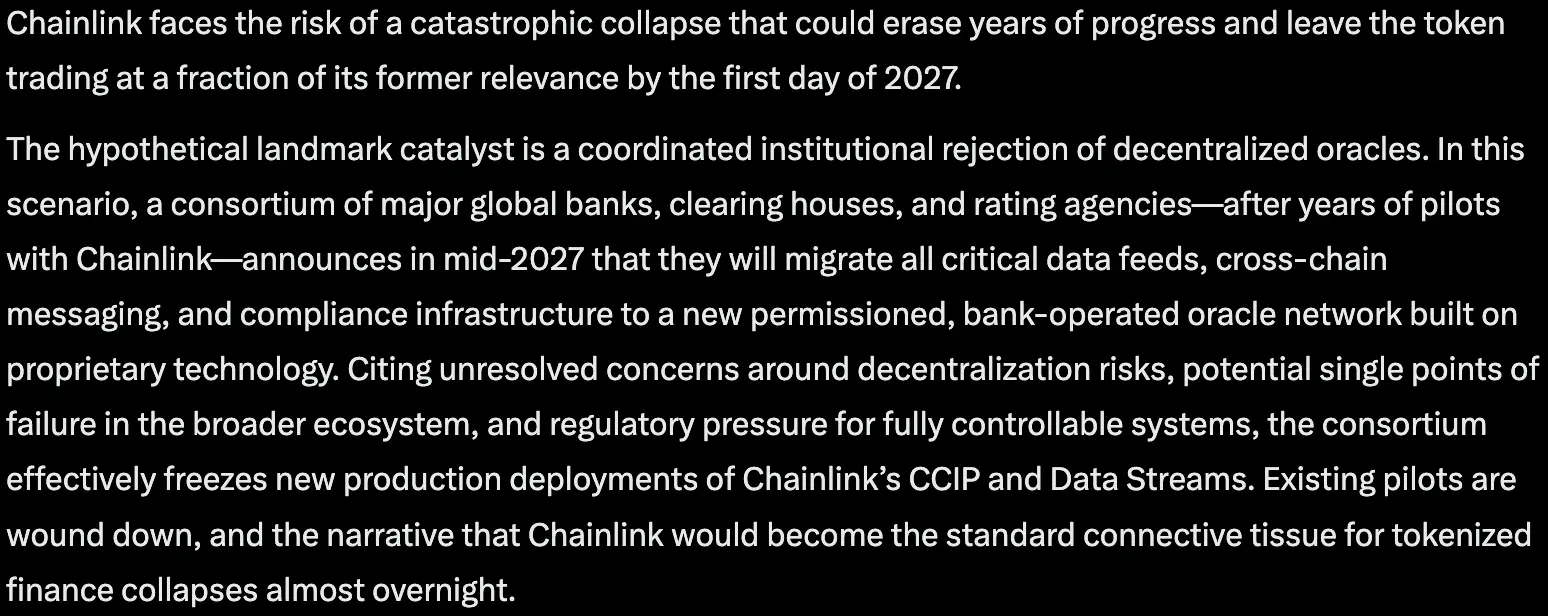 Claude AI Forecasts Chainlink Plunge in 2027
 XRP Crashes to $0.87 as ETF Assets Fall Below $1 Billion
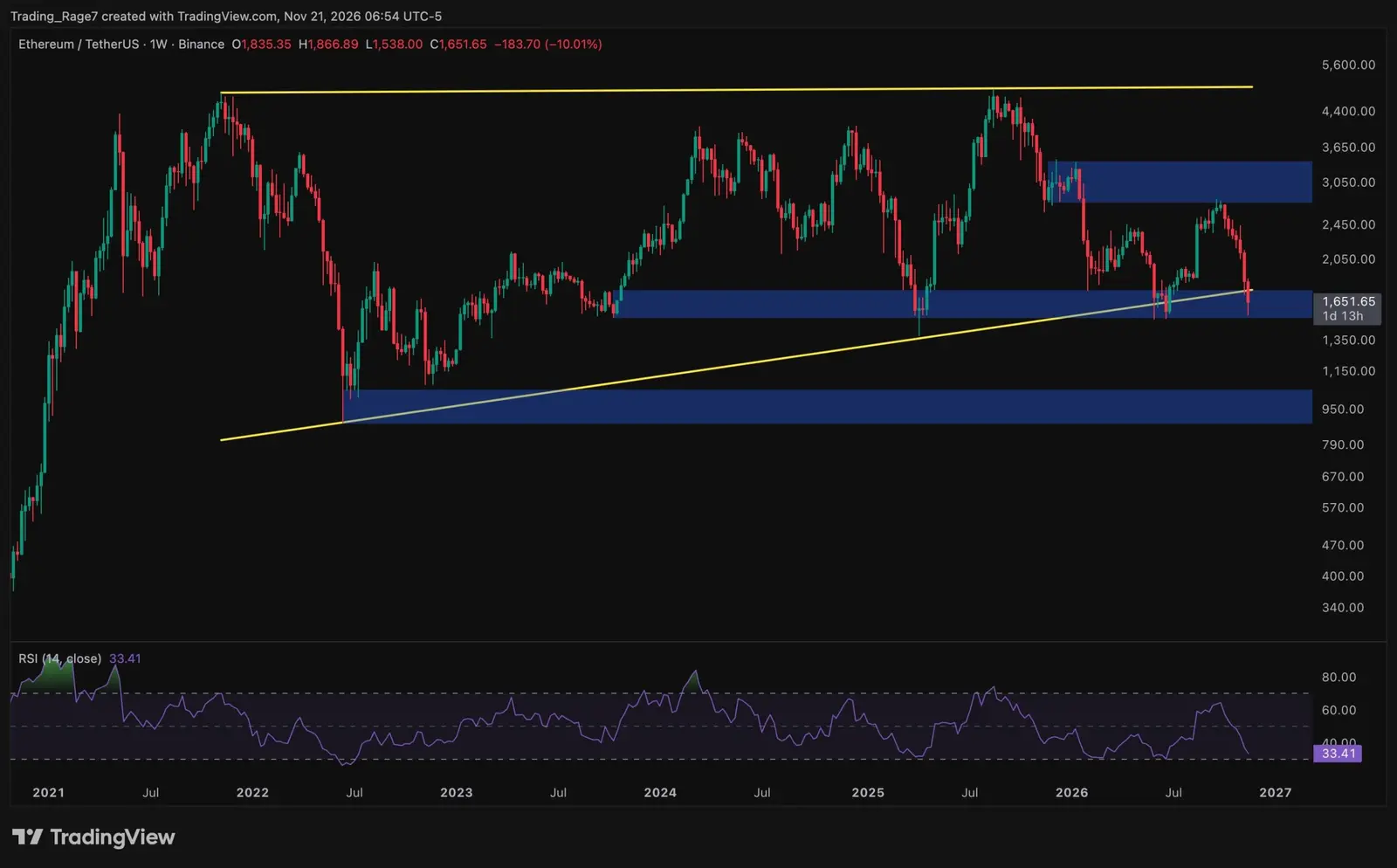 Ethereum price analysis: Did ETH hit its macro bottom after a 30% monthly drop?
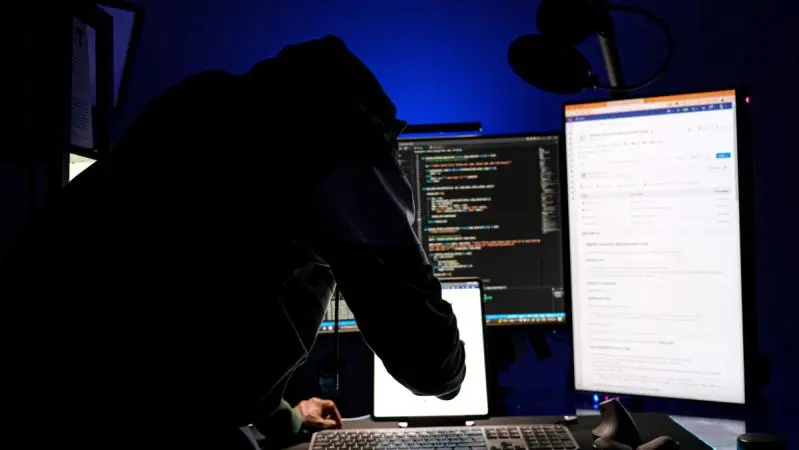
TraderTraitor employs sophisticated social engineering to bypass security systems. The hackers pose as recruiters or interviewers to gain access. They target crypto employees with malware-laden documents. Once inside, the group moves quickly to drain funds.
The squad relies on fake job interviews and recruiter personas. These tactics allow them to access internal networks. They deploy custom malware to maintain persistence. This method has proven effective against high-security environments.
Why This Group Is So Dangerous
TraderTraitor combines technical skill with human manipulation. Their attacks are coordinated and well-funded. The scale of the Binance heist highlights their operational capacity. Analysts note the group’s ability to strike multiple targets in a short window.
The crypto industry faces ongoing threats from state-sponsored hackers. Exchanges are expected to tighten security protocols. Regulators may push for stricter oversight following the record theft. The industry must adapt to this evolving threat landscape.
Frequently Asked Questions
Who is TraderTraitor? TraderTraitor is a North Korean hacking group linked to major crypto thefts. The FBI connected them to the $6.3 billion Binance heist. They also targeted Bybit and DMM Bitcoin.
How do they hack exchanges? They use social engineering, such as fake job interviews. Recruiters deliver malware to employees. Once inside, they drain funds quickly.
What happens next? Exchanges will likely strengthen security measures. Regulators may increase oversight. The industry must prepare for future attacks.