
How Binance’s Cold‑Storage Strategy Shielded Users
Binance’s co‑CEO Richard Teng announced a security breach that hit the exchange’s hot‑wallet system on Monday. The incident moved roughly $6.3 billion worth of assets, but Teng stressed that all customer holdings stayed in cold storage and were therefore untouched. Binance will cover any losses from its own reserves, leaving user balances intact.
Breaking news
 Bitcoin Miners Face Hardware Shortage as AI Boom Strains Chip Supply
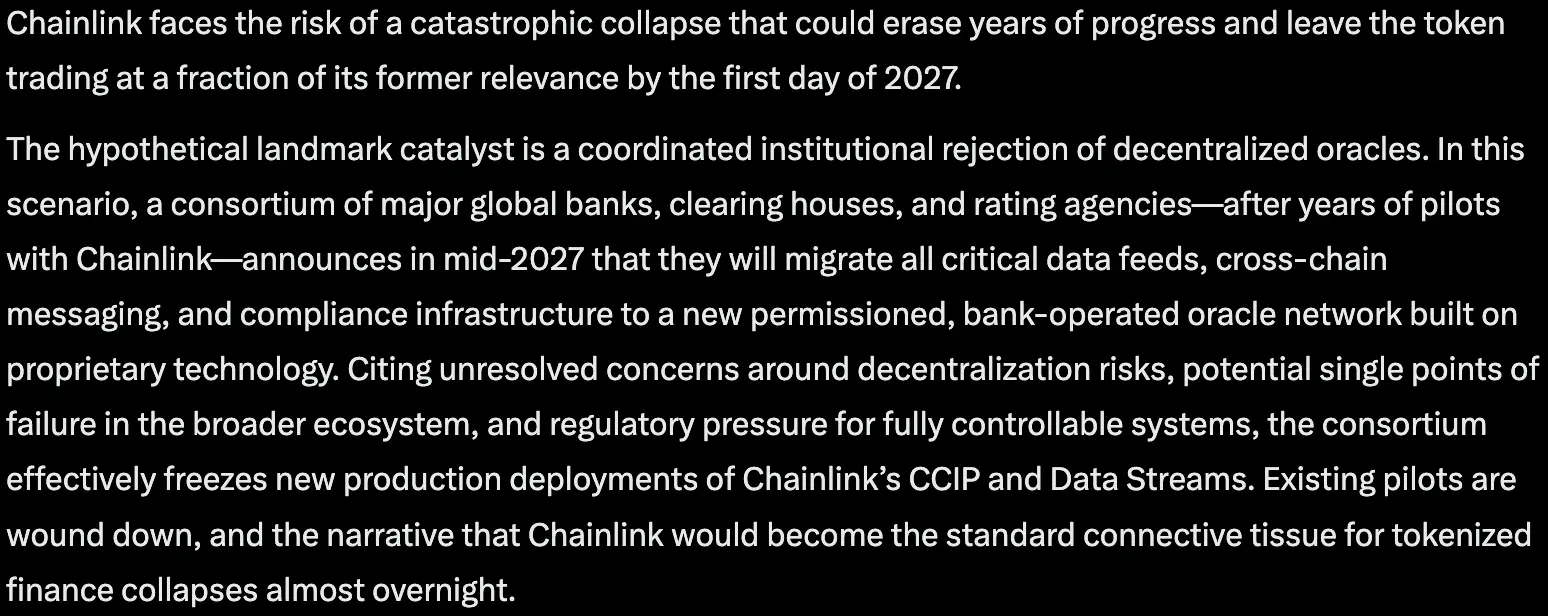 Claude AI Forecasts Chainlink Plunge in 2027
 XRP Crashes to $0.87 as ETF Assets Fall Below $1 Billion
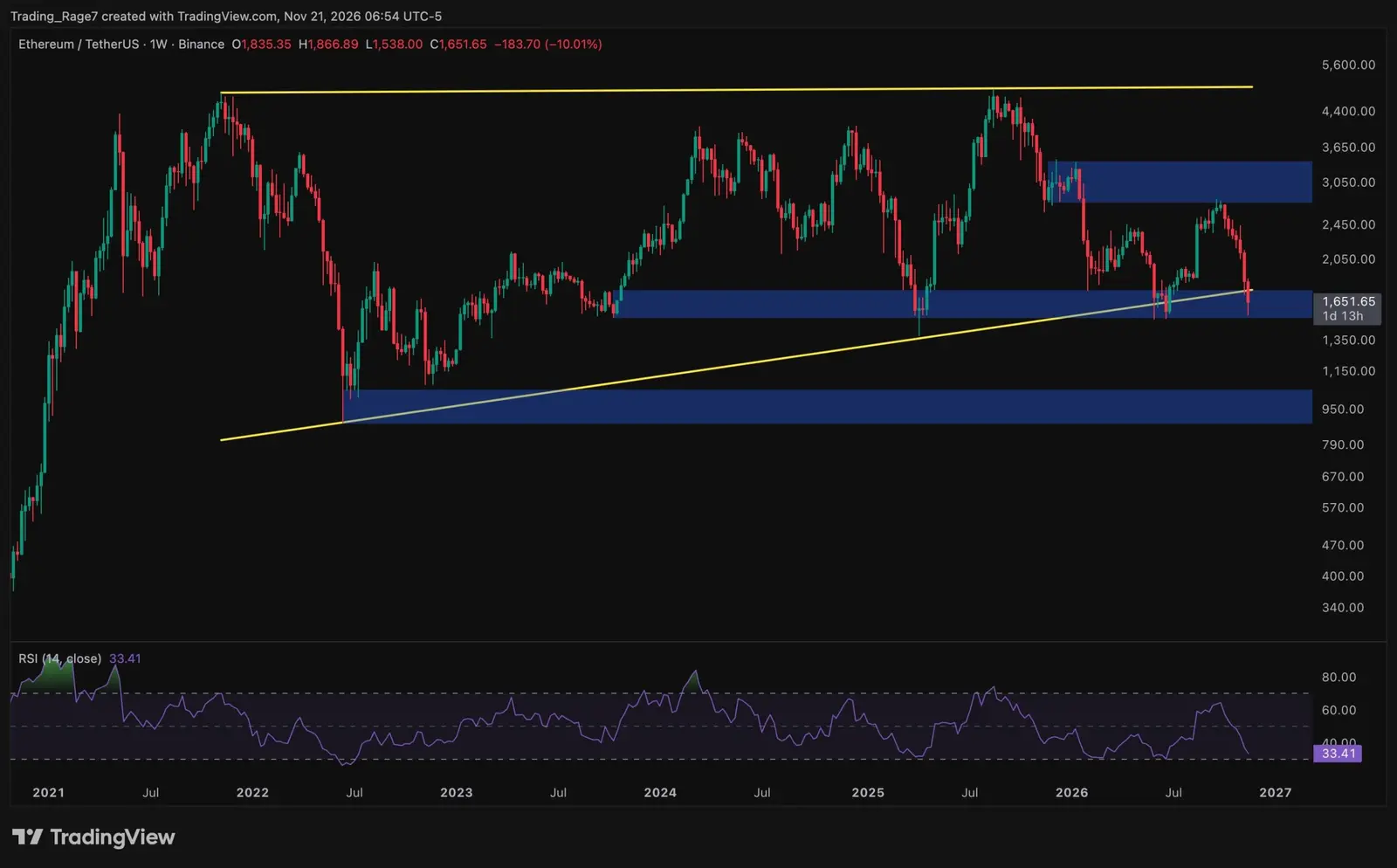 Ethereum price analysis: Did ETH hit its macro bottom after a 30% monthly drop?
The breach appears to have exploited vulnerabilities in Binance’s hot‑wallet infrastructure, a component used for rapid trading and withdrawals. Hackers accessed the wallet and shifted billions to external addresses before the breach was detected. Binance’s internal security team isolated the breach quickly, preventing further movement. Teng said the exchange had already begun a forensic review and is working with law‑enforcement agencies worldwide. The incident highlights the ongoing tension between liquidity needs and security in crypto exchanges, where hot wallets must balance speed with protection.
Binance stores the majority of client assets in offline, air‑gapped cold wallets, a practice that isolates funds from internet‑based attacks. Teng explained that only a small fraction of total holdings resides in hot wallets for operational purposes, limiting exposure. „Our cold‑storage reserves hold the bulk of user capital, so even a massive hot‑wallet breach cannot endanger client funds,” he said. The exchange also maintains a reserve fund specifically for covering unexpected losses, which will be tapped to reimburse any affected parties. This approach mirrors traditional banking safeguards, where liquidity buffers protect depositors.
Could This Breach Shake Market Confidence?
The episode may stir doubts among investors about the security of centralized crypto platforms. Analysts note that while Binance’s swift response and full compensation pledge are reassuring, the sheer scale of the breach could prompt users to reconsider where they keep their assets. Some expect a short‑term dip in trading volumes as traders assess risk, while others believe Binance’s reputation for handling crises will mitigate long‑term damage. Regulators are also watching closely, as the incident underscores the need for clearer industry standards on hot‑wallet security.
Overall, Binance’s handling of the breach demonstrates a commitment to protecting users, but the event serves as a stark reminder that even the largest exchanges remain vulnerable. The company’s ability to absorb the loss without tapping user funds may preserve confidence, yet the episode could accelerate calls for stricter oversight and more robust security protocols across the sector.
Frequently Asked Questions
What exactly was stolen in the Binance breach? No customer funds were taken; the breach involved assets held in Binance’s hot wallet, which the exchange moved to external addresses before containment.
Will users see any impact on their balances or trading ability? User balances remain unchanged in cold storage, and trading can continue as normal, though Binance may temporarily tighten withdrawal limits for added security.
How is Binance compensating for the loss? The exchange will cover the full value of the stolen assets using its internal reserve fund, ensuring no user bears financial loss.