Gold‑Like Behavior Shifts Bitcoin’s Risk Profile
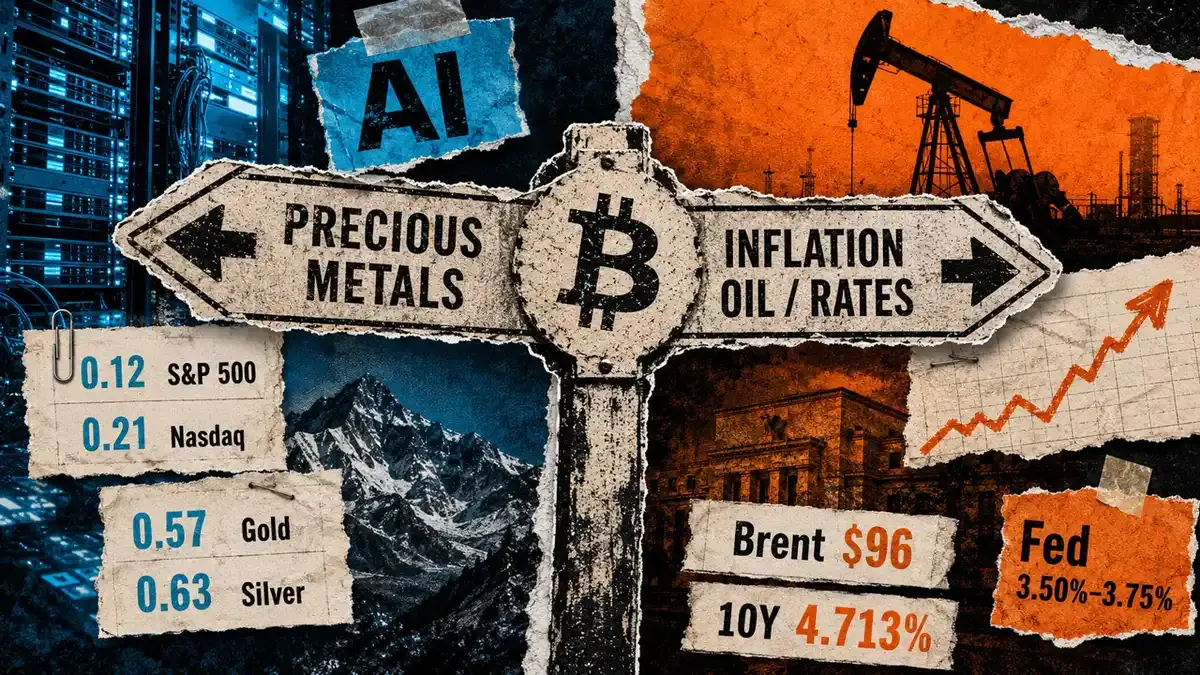
On July 25, 2026, analysts noted that Bitcoin’s price movements have sharply diverged from AI‑focused equities. In the second quarter, the cryptocurrency’s daily correlation with the S&P 500 fell to just 0.12, a steep drop from the 0.58 level recorded earlier in the year, according to data from Coinbase and Glassnode.
Breaking news
 DoubleZero Expands Edge to Include Binance Spot and Futures Data
 Ledger Scandal Spurs Surge in Multisignature Wallet Use
 FTX Mining Arm Pivots to Power Artificial Intelligence
 DeFi Development Corp Continues Buying SOL as CHAD Preferred Stock Hits Record
The decline in correlation suggests Bitcoin is behaving more like a traditional safe‑haven asset such as gold or silver. Market observers link the shift to changing expectations around U. S. Treasury yields, a strengthening dollar, and Federal Reserve policy signals. At the same time, crude oil settled near $96 a barrel, a level that could reverse Bitcoin’s newfound independence if higher energy costs feed broader inflation concerns.
Glassnode’s on‑chain metrics show that Bitcoin’s volatility has narrowed, mirroring patterns seen in precious‑metal markets during periods of monetary tightening. „Investors are now pricing Bitcoin against yield curves rather than tech hype,” said Gino Matos, a senior researcher at CryptoSlate. The cryptocurrency’s price rally in early Q3 has been supported by a flight to assets perceived as inflation hedges, while AI‑driven stocks have stumbled after earnings disappointments. This realignment has reduced Bitcoin’s exposure to sector‑specific shocks and tied its fortunes more closely to macroeconomic variables.
Could Rising Oil Prices Trap Bitcoin’s Rally?
Crude oil’s climb to $96 a barrel raises the specter of a new inflationary wave that could force the Fed to accelerate rate hikes. If higher rates materialize, the dollar could strengthen further, pressuring Bitcoin’s price lower. „Oil is a hidden catalyst that can quickly turn a benign environment into a hostile one for risk assets,” warned Matos. Traders fear that an oil‑driven surge in production costs may erode the appeal of Bitcoin as a store of value, especially if investors revert to cash or short‑term bonds for safety.
The coming weeks will test whether Bitcoin can sustain its gold‑like trajectory amid volatile oil markets. Should oil stay elevated, the cryptocurrency may face renewed downward pressure, potentially re‑establishing links with equity markets it has tried to escape. Conversely, a stabilization of energy prices could cement Bitcoin’s role as a hedge against monetary policy risk, reinforcing its divergence from AI stocks.
Frequently Asked Questions
Why did Bitcoin’s correlation with the S&P 500 drop so dramatically? The correlation fell because investors shifted focus from tech‑driven growth to macro‑economic factors like yields and the dollar, reducing shared price drivers between Bitcoin and equity markets.
How might $96 oil affect Bitcoin’s price outlook? Higher oil prices can spur inflation, prompting the Fed to raise rates faster. Stronger rates typically boost the dollar and diminish demand for non‑yielding assets such as Bitcoin.
Is Bitcoin now more like gold than a tech asset? Yes, recent trading patterns show Bitcoin responding to yield movements and dollar strength, similar to gold’s behavior during periods of monetary tightening.