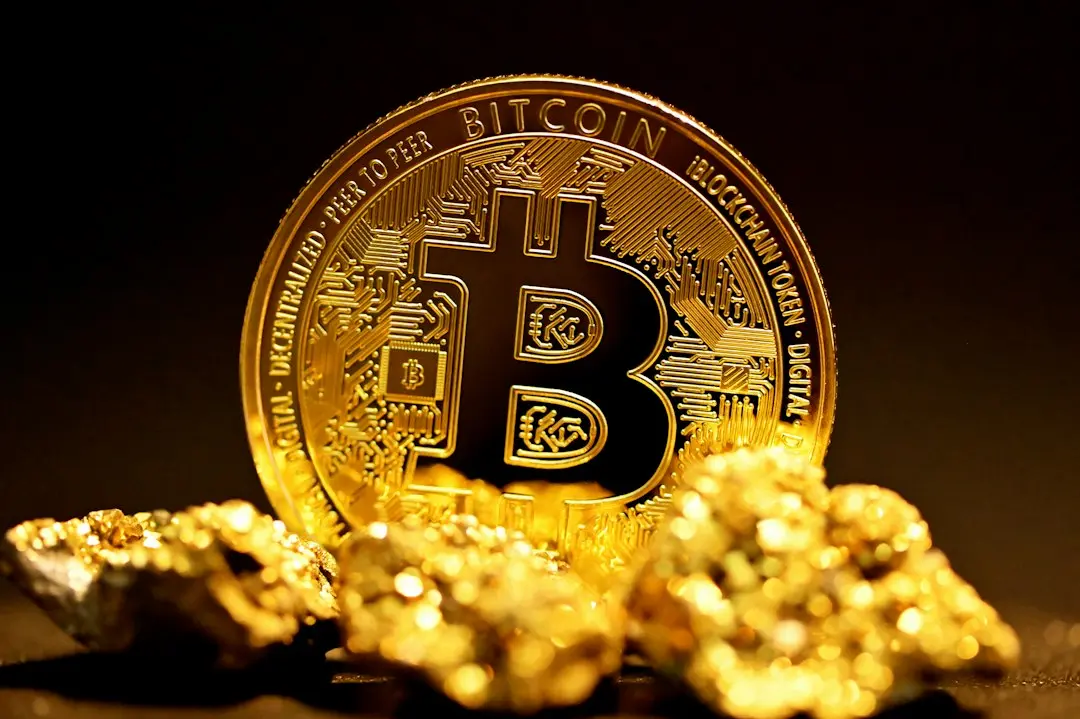
Fed Rate Forecasts Drive Crypto Risk Sentiment
The price of Bitcoin dropped sharply this week, with analysts at Coinbase Institutional attributing the decline to shifting expectations about the Federal Reserve’s December interest‑rate decision rather than the recent security breach at Binance. The cryptocurrency fell more than 8 % after hotter‑than‑expected inflation data raised the odds of a rate hike, prompting traders to reassess risk appetite across markets.
Breaking news
 Bitcoin Miners Face Hardware Shortage as AI Boom Strains Chip Supply
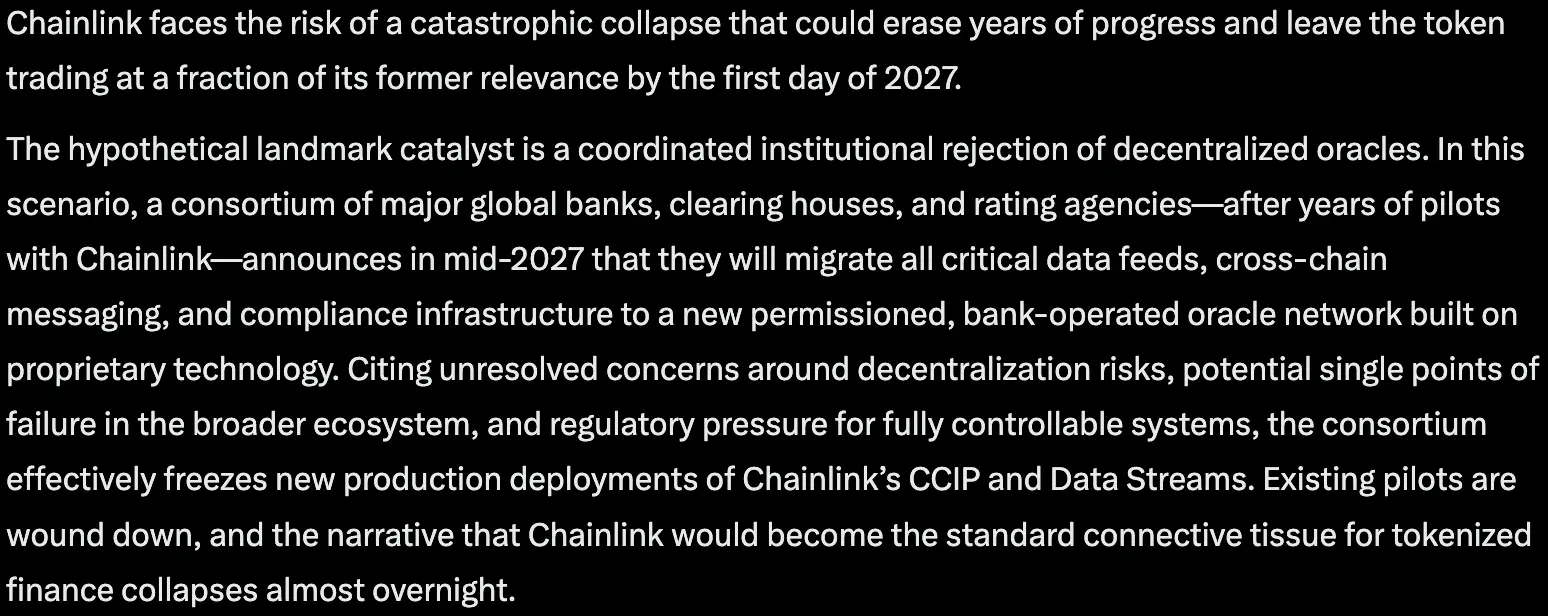 Claude AI Forecasts Chainlink Plunge in 2027
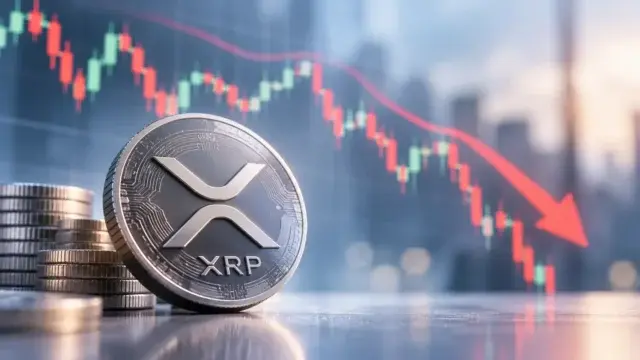 XRP Crashes to $0.87 as ETF Assets Fall Below $1 Billion
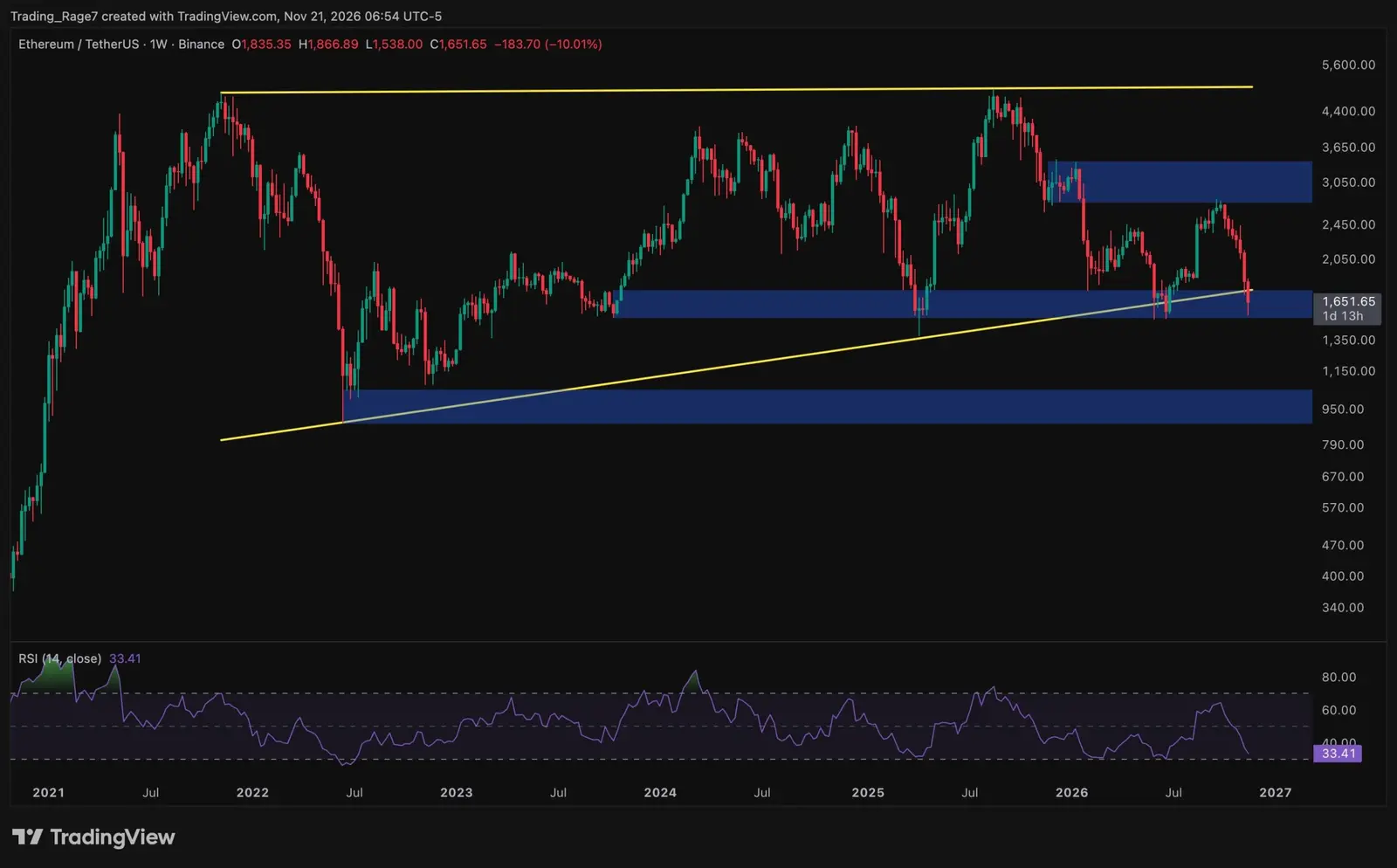 Ethereum price analysis: Did ETH hit its macro bottom after a 30% monthly drop?
Coinbase Institutional’s research team highlighted that the market’s focus on macroeconomic signals has intensified, linking Bitcoin’s volatility to the Fed’s policy outlook. While the Binance hack, which compromised user funds on the world’s largest crypto exchange, initially sparked concerns, the firm’s data shows that the hack’s impact on price was modest compared to the broader monetary‑policy narrative. Analysts point to a surge in futures pricing that reflects a higher probability of a 25‑basis‑point rate increase in December, a scenario that typically strengthens the U. S. dollar and depresses risk‑off assets like Bitcoin.
The latest Consumer Price Index report revealed a 0.6 % month‑over‑month rise in U. S. inflation, pushing the annual rate to 3.7 %, above the Fed’s 2 % target. This surprise prompted traders to price in a tighter monetary stance, with the CME FedWatch Tool indicating a 62 % chance of a December hike, up from 38 % a week earlier. Bitcoin’s correlation with the dollar index climbed to its highest level in six months, suggesting that investors are treating the digital asset more like a traditional risk‑sensitive commodity.
Did the Binance Hack Really Matter?
„Bitcoin’s price action is increasingly tethered to macro data,” said a senior analyst at Coinbase Institutional. „When inflation surprises on the upside, the market anticipates higher rates, which in turn lifts the dollar and squeezes out speculative assets.” The analyst added that the Binance breach, while serious, was largely absorbed by the market because the exchange’s insurance fund covered most user losses, limiting broader contagion.
Despite the headline‑grabbing nature of the Binance incident, Coinbase Institutional’s internal metrics show that trading volumes on the platform remained stable, and the price dip coincided more closely with the release of the inflation figures. The firm’s data indicates that the hack accounted for roughly 1.2 % of Bitcoin’s price movement over the past ten days, a fraction of the 7 % shift driven by rate‑expectation changes.
Market participants expressed mixed reactions. Some investors argued that the hack underscored systemic security flaws, while others pointed to the resilience of the broader crypto ecosystem, noting that major exchanges have bolstered their custodial safeguards. Nevertheless, the prevailing sentiment among institutional traders is that macro policy risk now outweighs exchange‑specific threats in determining Bitcoin’s short‑term trajectory.
Looking ahead, the cryptocurrency market is likely to remain volatile as investors digest upcoming economic data, including the Fed’s policy meeting minutes and the upcoming U. S. jobs report. If inflation continues to run hot, the prospect of a rate hike could keep pressure on Bitcoin, potentially driving it lower. Conversely, any sign of easing inflation or a dovish Fed stance could revive risk appetite and spark a rebound.
Frequently Asked Questions
Why did Bitcoin fall more after the inflation report than after the Binance hack? The inflation data raised expectations of a December rate hike, strengthening the dollar and reducing demand for risk assets like Bitcoin. The hack, while notable, was largely contained and did not significantly alter market sentiment.
How does a Federal Reserve rate hike affect Bitcoin’s price? Higher rates typically boost the U. S. dollar and increase borrowing costs, making speculative assets less attractive. Bitcoin, viewed as a high‑risk investment, often retreats when the dollar gains strength.
Is the crypto market becoming more correlated with traditional finance? Yes. Recent data shows Bitcoin’s correlation with the dollar index and bond yields has risen, indicating that macroeconomic factors are playing a larger role in its price movements.