
TRON Dominates Casino Crypto Inflows
Sihanoukville casinos in Cambodia received approximately $1.07 billion in cryptocurrency from January 1 to September 7, 2026. This inflow continued despite a government crackdown on scam compounds and international sanctions against linked networks, according to blockchain intelligence firm TRM Labs.
Breaking news
 Bitcoin exchange reserves drop 42,000 BTC amid price slide
 Ripple Secures Turkish Bank Partnership, Highlights XRP Popularity
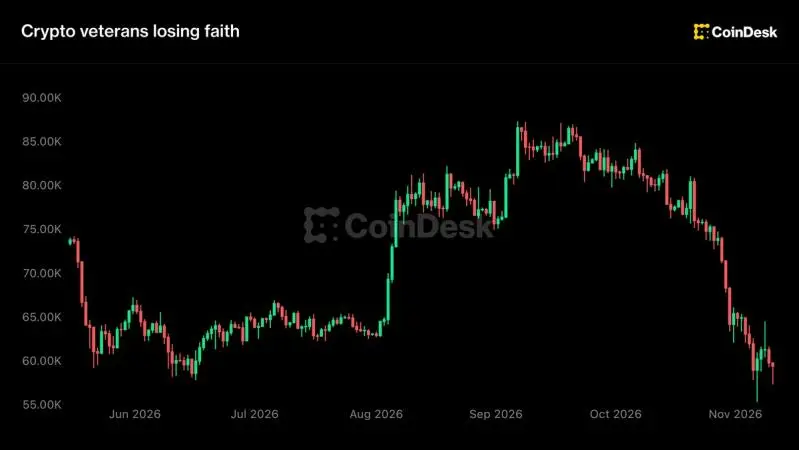 Bitcoin dropped to $57,300 early Wednesday, triggering fresh anxiety across the crypto market
 France Senate Blocks Mandatory Self-Custody Wallet Reporting
The data reveals that the enforcement actions have not halted the flow of digital assets into the coastal city’s casino industry. The sheer volume of crypto received suggests that operators and their customers found ways to keep transacting.
The overwhelming majority of this money arrived on the TRON network. USDT on TRON accounted for 99.9% of the crypto received by Sihanoukville casinos. This concentration indicates a strong preference for a specific stablecoin on a specific blockchain.
TRON’s low transaction fees and fast settlement times make it attractive for high-volume gambling operations. The dominance of USDT points to a market where players and operators prioritize liquidity and ease of transfer over other cryptocurrencies.
Why Hasn’t the Crackdown Worked?
The persistence of these flows raises questions about the effectiveness of the crackdown. Sanctions and compound closures clearly did not stop the money from moving.
Possible explanations include the use of new addresses, decentralized exchanges, and peer-to-peer transfers that are harder to trace. The data suggests that while some networks were sanctioned, the underlying demand for casino services in the region remained strong enough to sustain the inflows.
The continued $1.07 billion in crypto flows signals that enforcement must evolve. Authorities may need to target the specific blockchain rails and stablecoin mechanisms that dominate casino transactions. Without addressing the TRON and USDT channels, future crackdowns may face the same challenge of stopping money that keeps arriving through new routes.