How the Binance Breach Fueled a State‑Sponsored Funding Machine
Washington – The Department of Justice announced Tuesday that it is moving to seize or block more than $1.2 billion in cryptocurrency linked to a massive Binance hack and has shut down the infrastructure behind a separate fraud operation that siphoned over $400 million. Both schemes are tied to North Korea’s cyber‑army, which uses digital theft to fund its weapons program.
Breaking news
 Bitcoin Miners Face Hardware Shortage as AI Boom Strains Chip Supply
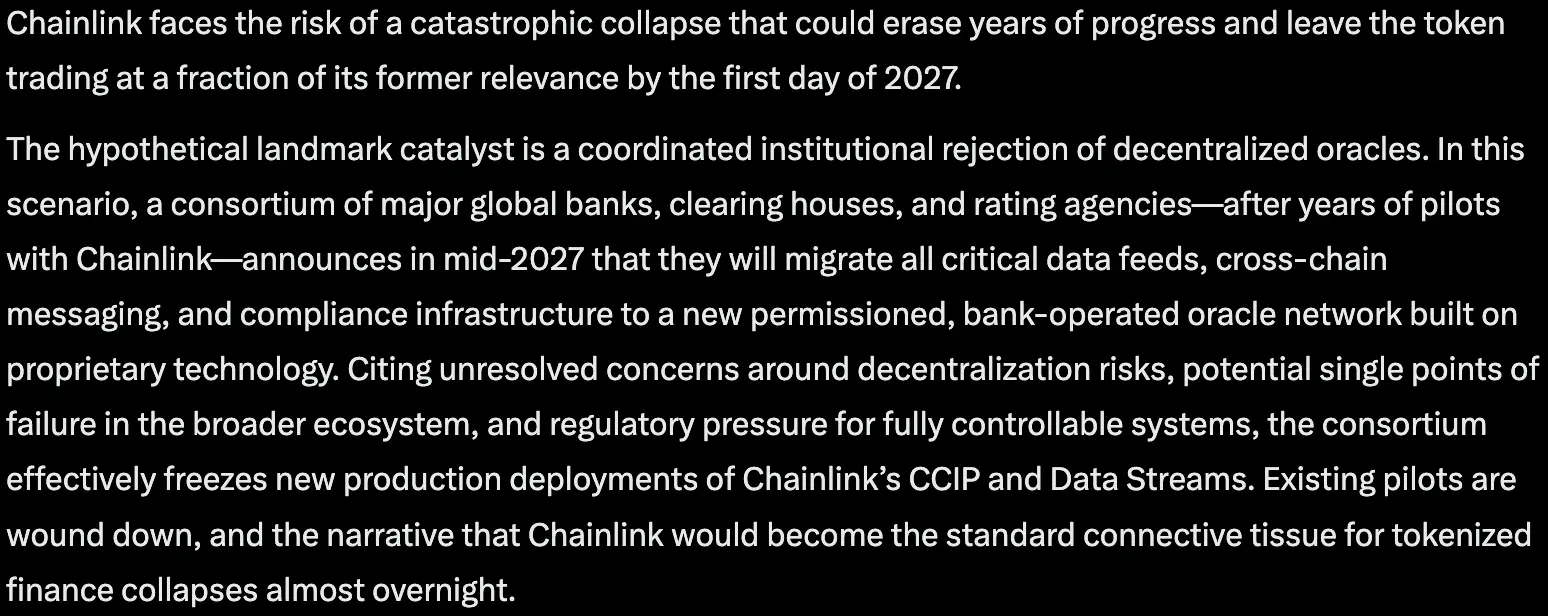 Claude AI Forecasts Chainlink Plunge in 2027
 XRP Crashes to $0.87 as ETF Assets Fall Below $1 Billion
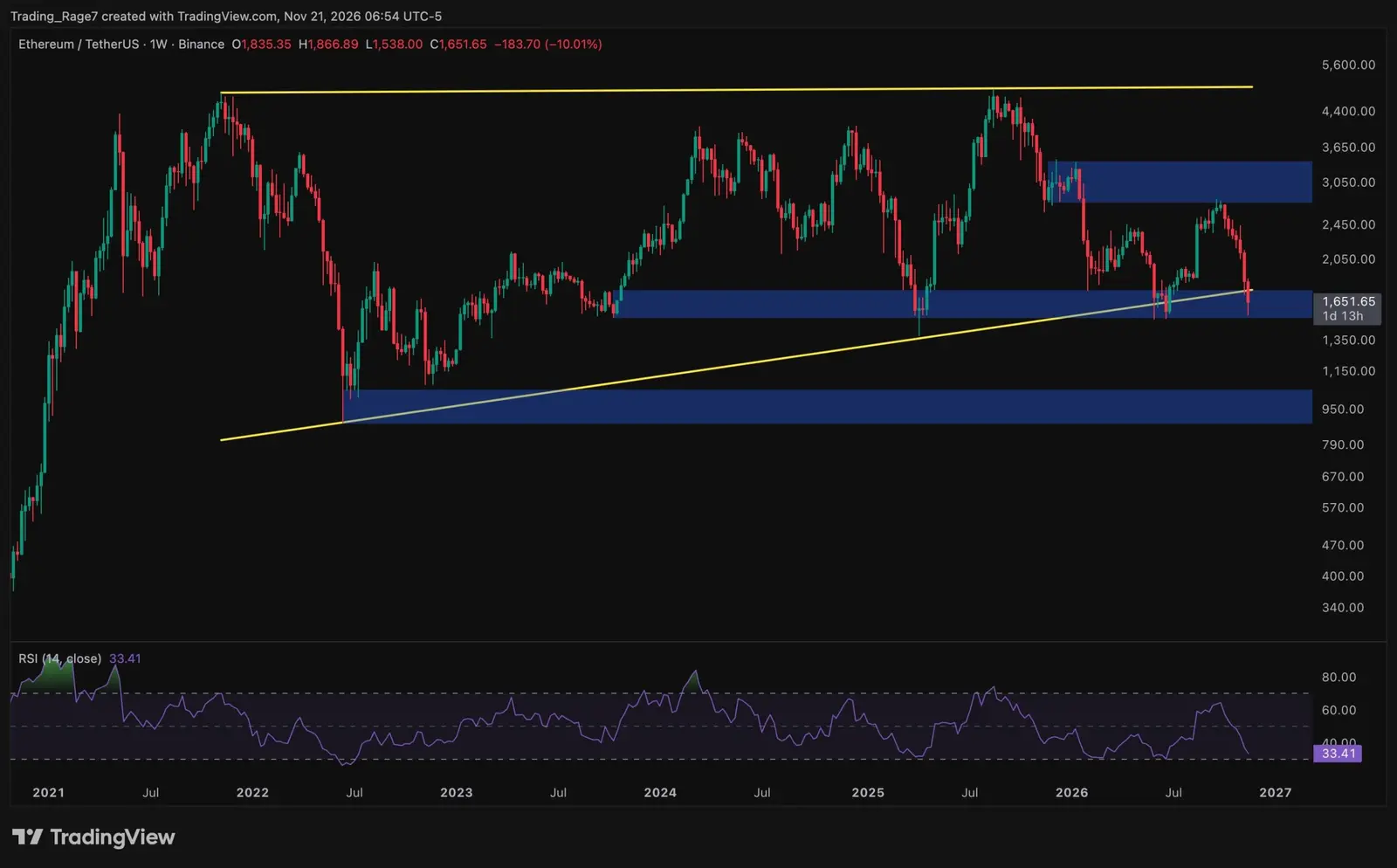 Ethereum price analysis: Did ETH hit its macro bottom after a 30% monthly drop?
The DOJ’s action follows a multi‑year investigation into the illicit crypto network operated by the North Korean military’s Reconnaissance General Bureau. Investigators traced the stolen assets through a series of mixers, wallets, and exchanges, eventually pinpointing the funds in accounts tied to the „FaceStealer” scam. The agency filed civil forfeiture complaints and obtained court orders to freeze the assets, while collaborating with international partners to dismantle the scam’s servers and domain names.
The breach of Binance, one of the world’s largest crypto exchanges, occurred in early 2023 when attackers exploited a vulnerability in the platform’s hot wallet system. Over $1.2 billion in Bitcoin, Ethereum and other tokens were transferred to a chain of anonymous wallets. North Korean hackers then laundered the proceeds through a web of mixing services, making the trail difficult to follow.
What Was the FaceStealer Scam and Why Did It Collapse?
According to DOJ officials, the stolen crypto was earmarked for the regime’s missile and nuclear programs. „Every dollar of illicit cryptocurrency that we can recover is a direct blow to the Pyongyang war machine,” said a senior prosecutor. The agency’s strategy combines legal tools—such as asset freezing and forfeiture—with technical expertise to trace blockchain transactions, a method that has grown more sophisticated since the 2020 SolarWinds breach.
The FaceStealer operation masqueraded as a facial‑recognition verification service, promising users that their biometric data would unlock exclusive NFTs and high‑yield investment returns. In reality, the platform collected personal images, sold them on dark‑web markets, and siphoned $400 million from unsuspecting victims.
Law enforcement traced the scam’s backend to servers located in Russia and China, all of which were seized in coordinated raids. The DOJ’s complaint alleges that the scheme was a front for the same North Korean unit that orchestrated the Binance hack, using the illicit proceeds to finance further cyber‑attacks. „The takedown of FaceStealer sends a clear message: we will not tolerate criminal enterprises that serve authoritarian regimes,” the prosecutor added.
The crackdown is expected to disrupt the flow of funds to Pyongyang, but experts warn that the regime will likely pivot to other illicit channels. Cryptocurrency remains attractive for its anonymity and speed, and North Korea has already demonstrated a capacity to adapt its tactics.
Frequently Asked Questions
What happens to the seized cryptocurrency? The DOJ will hold the assets in a government-controlled account while it determines the appropriate disposition, which may include forfeiture to the U. S. Treasury or redistribution to victims.
Can other countries intervene in similar crypto thefts? Yes, many nations are enhancing their legal frameworks and technical capabilities to track blockchain transactions, and they often cooperate through mutual legal assistance treaties.
Will North Korea cease its crypto operations after this? Unlikely. The regime has shown resilience and will probably seek alternative methods, but the current actions raise the cost and risk of such illicit activities.