
Tracing the Digital Footprints of SquidSquad
An institutional cryptocurrency investor lost roughly $2.84 million in a suspected cyberattack on October 8. Security researchers attribute the breach to SquidSquad, a hacking group linked to North Korea. The incident highlights persistent threats facing large-scale digital asset custodians. The theft occurred during a period of heightened scrutiny for blockchain security protocols.
Breaking news
 Bitcoin Miners Face Hardware Shortage as AI Boom Strains Chip Supply
 Claude AI Forecasts Chainlink Plunge in 2027
 XRP Crashes to $0.87 as ETF Assets Fall Below $1 Billion
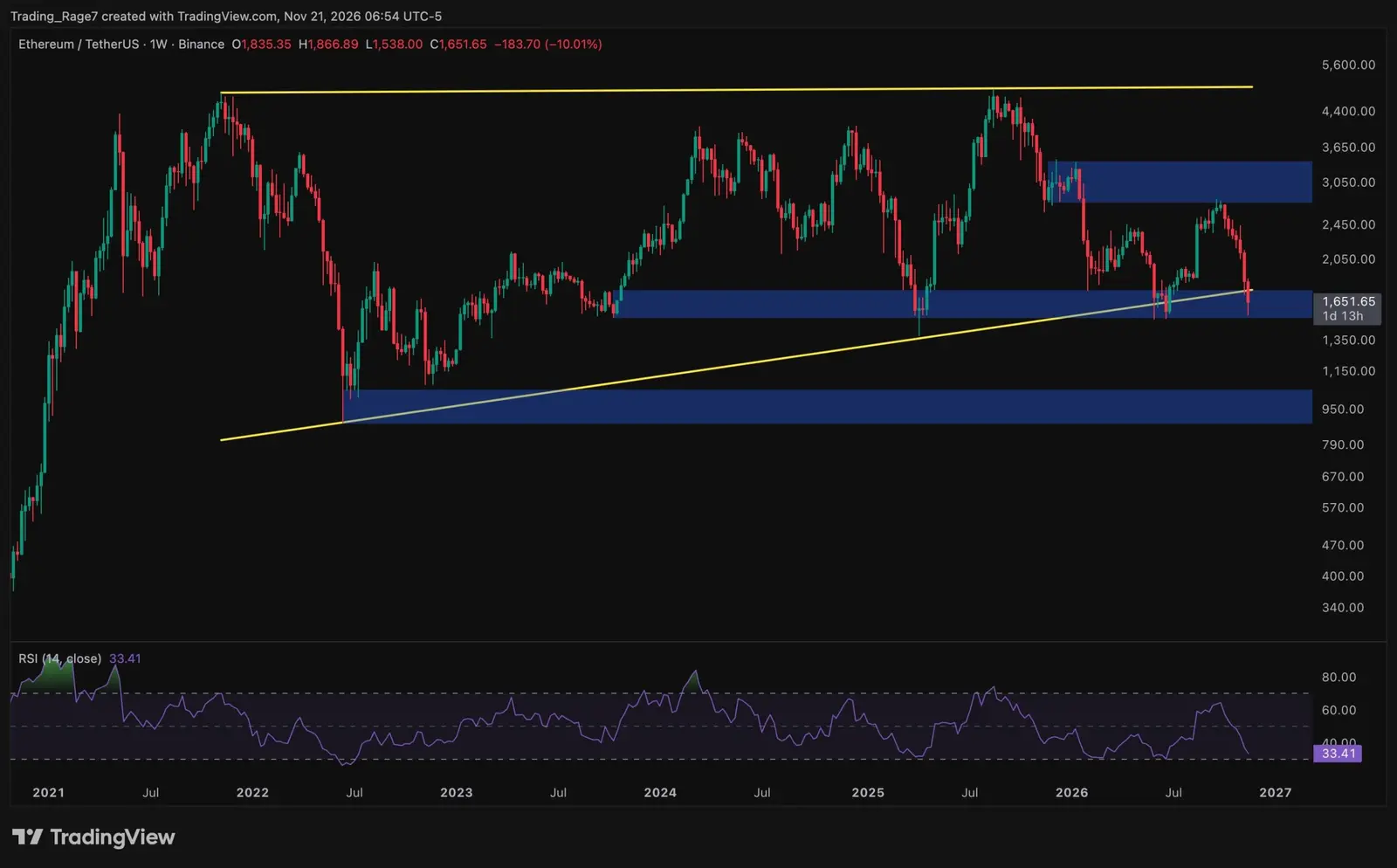 Ethereum price analysis: Did ETH hit its macro bottom after a 30% monthly drop?
The victim held significant balances on the BNB Chain network. Attackers exploited vulnerabilities in the institution’s custody infrastructure. This allowed them to drain funds directly from the entity’s wallets. The total loss stands at approximately $2.84 million. Such targeted strikes often involve sophisticated social engineering or smart contract exploits. The group moved quickly to obscure the trail of stolen assets.
SquidSquad has gained notoriety for its aggressive tactics in the crypto space. The group frequently targets high-value institutional accounts rather than retail investors. Their methods typically involve identifying weak points in third-party wallet integrations. In this specific case, forensic analysis pointed to known addresses associated with previous SquidSquad operations. The hackers likely used cross-chain bridges to move value away from the BNB Chain. This strategy complicates recovery efforts for the victim. Analysts note that the group prefers rapid consolidation of stolen funds into privacy coins. They aim to finalize transactions before defenders can freeze assets.
Why Institutional Custody Remains a Prime Target
Large holders face distinct risks compared to individual users. Institutions often rely on complex software stacks for asset management. These layers introduce additional attack surfaces for malicious actors. North Korean state-sponsored groups have made crypto theft a priority revenue stream. SquidSquad operates under this broader strategic umbrella. The group seeks to fund national projects through illicit gains. The recent attack underscores the gap between traditional finance security standards and decentralized protocols. Many institutions still struggle to implement robust multi-signature verification. This leaves them vulnerable to coordinated internal breaches.
The loss of nearly three million dollars signals continued pressure on the BNB ecosystem. Investors may demand stricter audit requirements from custodial providers. Regulators could respond with tighter oversight of digital asset storage practices. The victim has not yet announced a formal statement regarding recovery plans. Market observers expect similar incidents to remain frequent in the coming months. Defenders must adapt their tools to match the evolving speed of attackers. The case serves as a stark reminder that holding large amounts of crypto requires constant vigilance.
Frequently Asked Questions
Who is responsible for the $2.84 million theft? Security experts identify the North Korea-linked group SquidSquad as the primary suspect. They are known for targeting institutional wallets on major blockchain networks.
When did the attack occur? The breach took place on October 8. The loss was confirmed shortly after the initial transaction anomalies were detected.
How much money was stolen in total? The institutional holder lost approximately $2.84 million. This sum represents a significant portion of their liquid digital assets.