Court Rejects Kalshi's Swap Argument
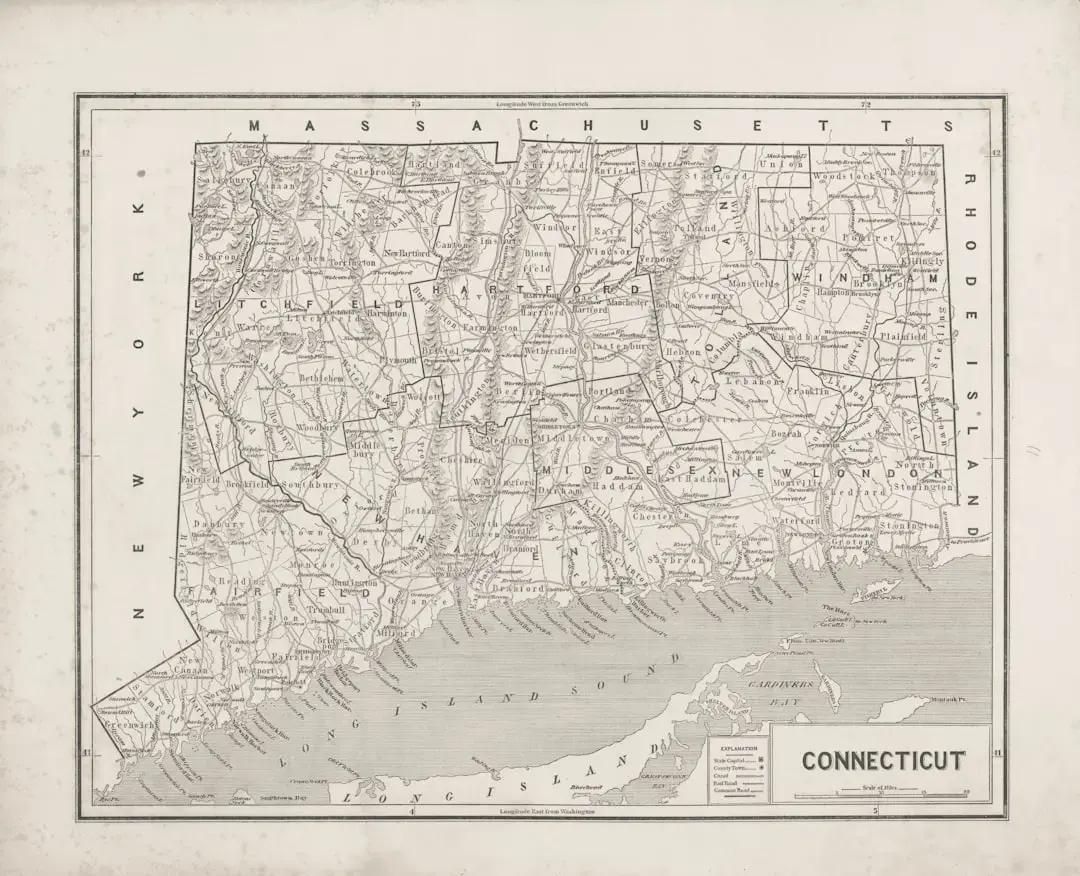
A federal judge in Connecticut recently rejected a request from Kalshi, an online prediction market. The company sought to block state regulators. The court determined that Kalshi's contracts on sports events do not qualify as swapsunder federal law.
Breaking news
 South Korea Tests Bitcoin‑Backed Loans at Jeonbuk Bank
 DoubleZero Expands Edge to Include Binance Spot and Futures Data
 Ledger Scandal Spurs Surge in Multisignature Wallet Use
 FTX Mining Arm Pivots to Power Artificial Intelligence
This decision means the Commodity Futures Trading Commission (CFTC) does not have exclusive oversight. Therefore, state authorities can regulate these offerings.
Kalshi had argued that its event contracts should be classified as swaps. This classification would place them solely under CFTC jurisdiction, bypassing state control. However, the judge disagreed with this interpretation of the Commodity Exchange Act. The ruling clarified that these particular sports-related contracts fall outside the federal definition of a swap.
What Does This Mean for Online Prediction Markets?
The court's analysis focused on the specific characteristics of Kalshi's sports event contracts. It found they lacked certain elements typically associated with regulated swaps. This distinction is crucial for determining which regulatory body has authority.
This ruling could have significant implications for other online prediction markets. Companies offering similar contracts might face increased scrutiny from state regulators. It suggests that not all event contracts will automatically be deemed federal swaps.
The decision reinforces the power of state regulators in areas not explicitly covered by federal statutes. Kalshi's attempt to secure federal preemption was unsuccessful. This outcome could lead to a more fragmented regulatory landscape for prediction markets. Companies may need to navigate varying state laws.
Frequently Asked Questions
What was Kalshi's main argument in court? Kalshi argued that its sports event contracts were swapsunder the Commodity Exchange Act. This classification would have given the CFTC exclusive regulatory authority over them, preventing state intervention.
Why did the judge deny Kalshi's request? The judge denied the request because the court found Kalshi's sports event contracts did not meet the legal definition of a „swap.”This meant the CFTC did not have exclusive jurisdiction, allowing state regulators to act.
What is the potential impact of this ruling? The ruling could lead to more state-level regulation for online prediction markets offering similar contracts. It clarifies that federal oversight is not automatic for all event contracts, potentially creating a patchwork of state laws.