Technical Risks Threatening Decentralized Finance
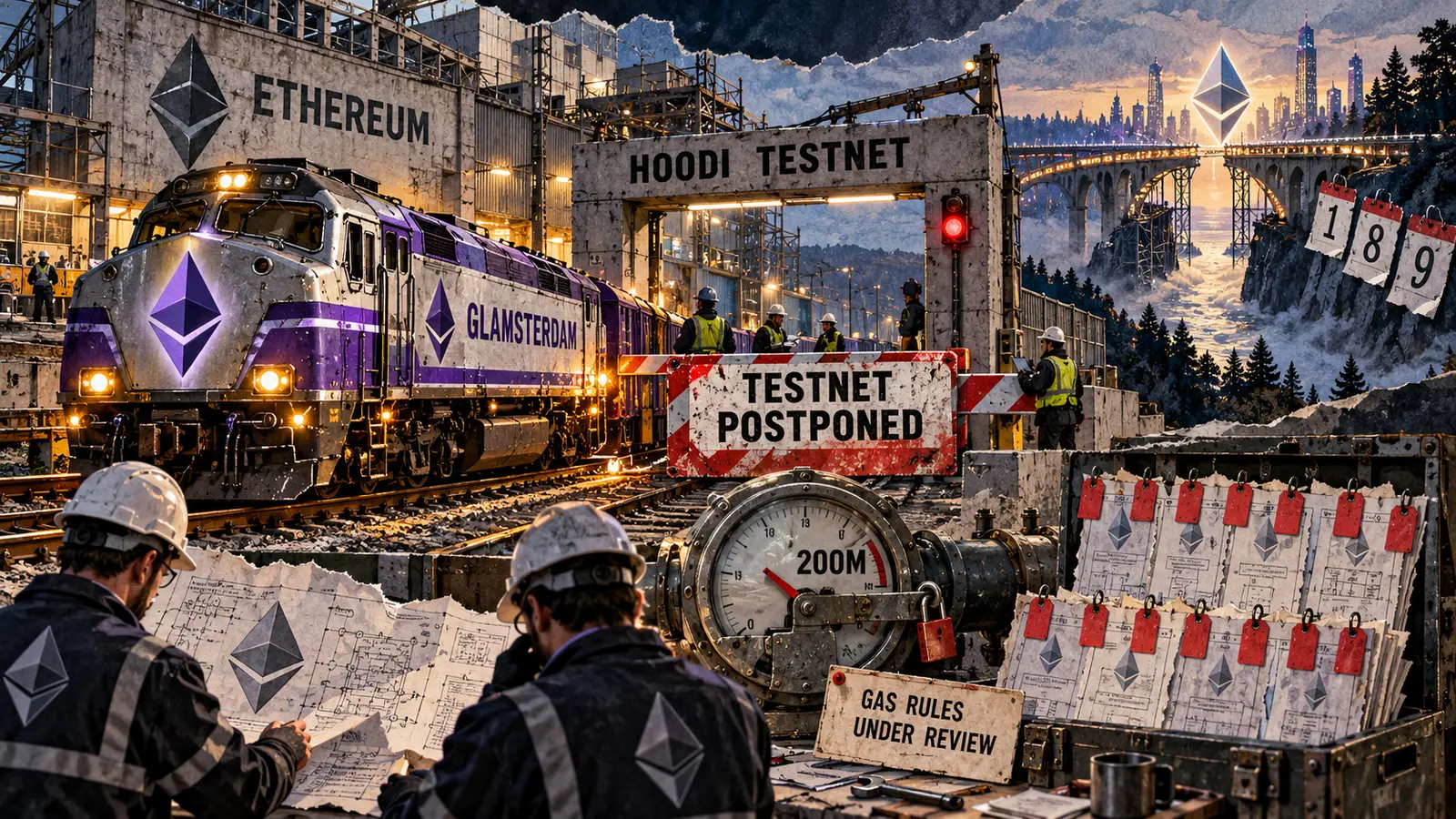
Ethereum developers officially postponed the scheduled October 26 upgrade for the Hoodi test network this week. The decision follows the discovery of thirteen distinct security vulnerabilities within the Glamsterdam update. Technical teams are now pausing the rollout to address these critical flaws before proceeding with further testing on the blockchain.
Breaking news
 Dogecoin Co-Founder Identifies Weak Demand as Catalyst for Crypto Market Slump
 Dogecoin Bounces Back After Brutal 65% Year-Long Slide
 Bitcoin Miners Face Hardware Shortage as AI Boom Strains Chip Supply
 Claude AI Forecasts Chainlink Plunge in 2027
The complications stem from proposed adjustments to gas fees, which dictate the cost of executing transactions on the network. Security firm ChainSecurity highlighted that these changes could inadvertently break existing smart contracts. If implemented, the update might disrupt decentralized finance protocols that rely on stable, predictable fee structures for their daily operations.
The identified risks are not merely theoretical. Researchers successfully pinpointed thirteen real-world examples where current smart contracts would face significant functional issues if the upgrade proceeded. These contracts form the backbone of various DeFi applications, making their stability a top priority for the Ethereum development community.
Will the December Rollout Target Remain Feasible?
By altering how the network processes gas, the Glamsterdam upgrade threatened to render these automated agreements unusable. Developers must now re-evaluate their code to ensure that performance improvements do not come at the expense of network integrity. The team is currently working to reconcile the upgrade requirements with the safety of existing decentralized applications.
This unexpected setback casts doubt on the broader timeline for the Ethereum network. The project was originally slated for a full, mainnet rollout in December. With the Hoodi testnet deployment now stalled, the window for thorough auditing and final adjustments is rapidly closing.
Frequently Asked Questions
Industry experts remain cautious about whether developers can resolve these thirteen security vulnerabilities in time to meet the year-end deadline. Any further complications could force a significant delay for the entire roadmap. For now, the focus remains on patching the identified flaws to prevent any potential loss of funds or service outages.
Why was the Hoodi testnet upgrade cancelled? The upgrade was halted after security researchers identified thirteen vulnerabilities in smart contracts. These flaws were linked to proposed changes in gas fee calculations.
What happens to the December launch schedule? The timeline is currently uncertain due to these new technical challenges. Developers must prioritize fixing the security risks before committing to a final release date.