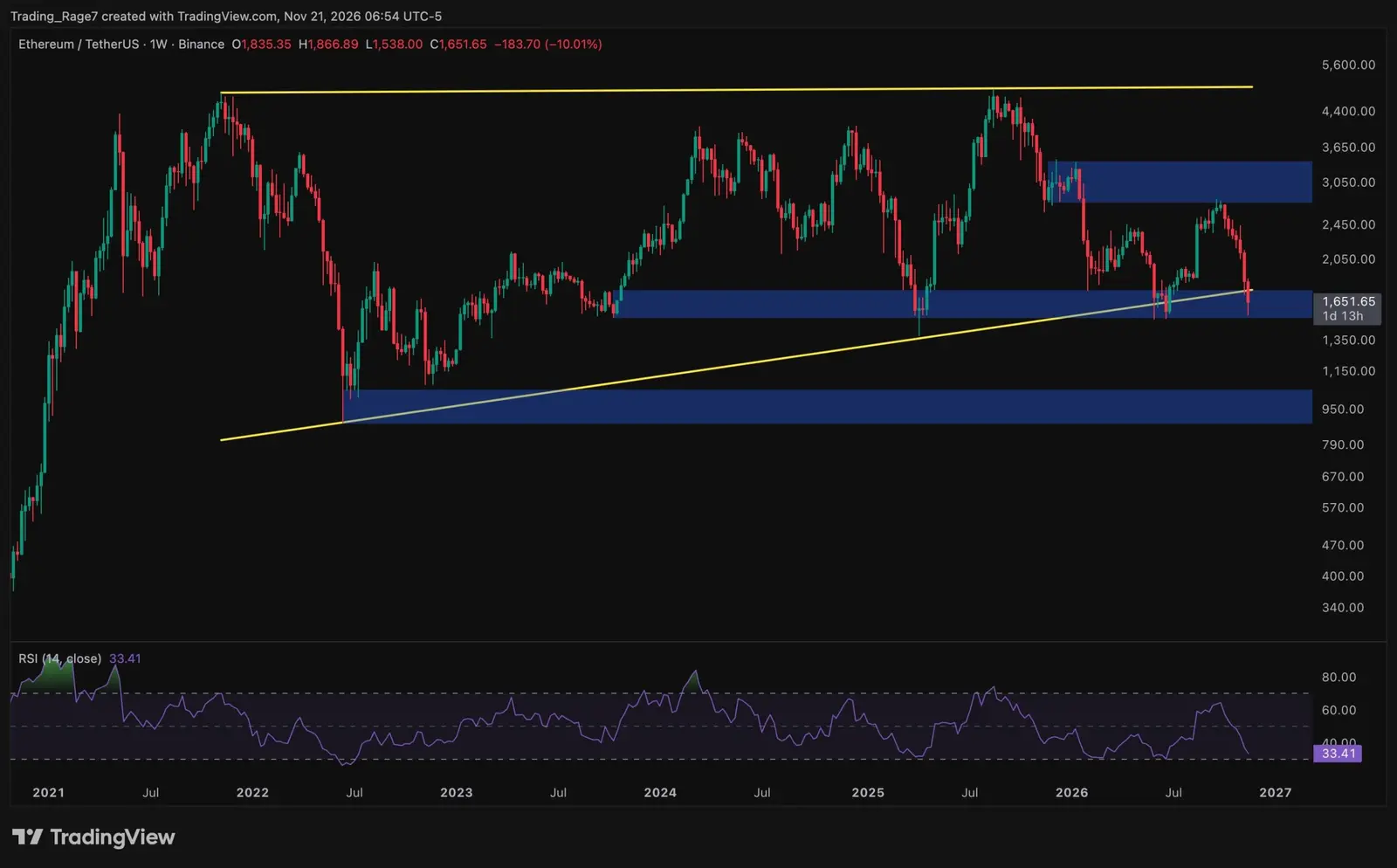
Uncovering Hidden Vulnerabilities in Smart Contracts
Ethereum developers are currently running rigorous tests on the upcoming Glamsterdam network upgrade across various testnets. This significant update introduces two key proposals, EIP-8037 and EIP-8038, which aim to refine the blockchain’s internal mechanics. The testing phase is essential to ensure that the network remains stable and secure before the final deployment.
Breaking news
 Dogecoin Co-Founder Identifies Weak Demand as Catalyst for Crypto Market Slump
 Dogecoin Bounces Back After Brutal 65% Year-Long Slide
 Bitcoin Miners Face Hardware Shortage as AI Boom Strains Chip Supply
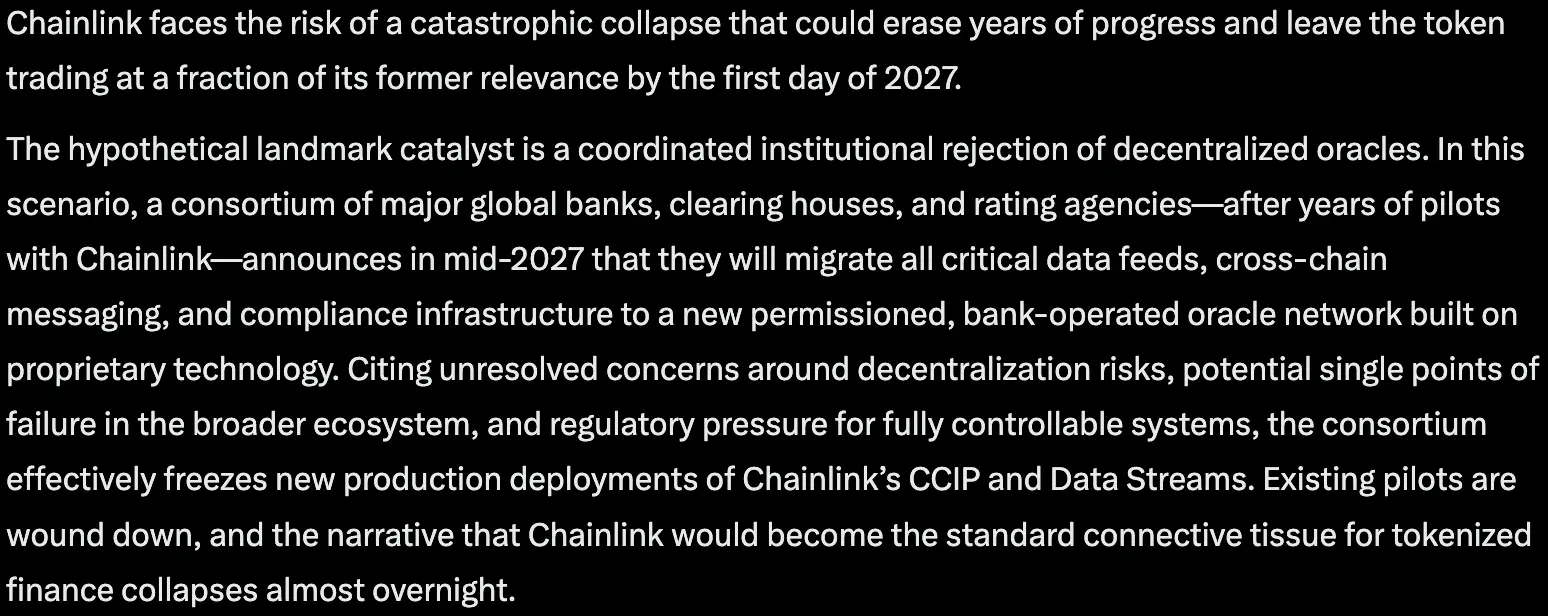 Claude AI Forecasts Chainlink Plunge in 2027
The Glamsterdam update focuses on restructuring how the Ethereum network calculates gas fees for specific operations. By modifying these cost structures, the developers hope to improve overall efficiency. However, these changes alter fundamental invariants that many existing decentralized applications rely on to function correctly.
Security researchers at Chainsecurity have been auditing the impact of these pending changes. Their findings indicate that several established projects are currently vulnerable to the proposed updates. Because these applications were built around the current gas pricing model, the transition could disrupt their core logic and operational integrity.
Will Existing Projects Survive the Transition?
The technical adjustments involve a complete rework of how gas is consumed during transaction execution. While these shifts are designed to optimize the network, they inadvertently create compatibility gaps. Developers of affected projects must now revise their code to align with the new standards set by the upgrade.
The discovery of these vulnerabilities highlights the delicate balance between network optimization and backward compatibility. If projects fail to adapt their smart contracts before Glamsterdam goes live, they risk experiencing significant functional errors. Teams are now working to identify which specific operations will be impacted by the new gas calculations.
This testing period serves as a vital safety net for the Ethereum ecosystem. By identifying these issues early, the community can implement necessary patches to prevent service outages. The final rollout will depend on how quickly developers can resolve these conflicts and ensure their systems remain compatible with the updated protocol.
Frequently Asked Questions
What is the primary goal of the Glamsterdam update? The update aims to optimize the Ethereum network by restructuring how gas fees are calculated for specific operations. This change is intended to improve overall blockchain efficiency.
Why are some projects currently considered vulnerable? Many existing projects rely on specific gas-related invariants that will be broken by the new EIP-8037 and EIP-8038 standards. These projects must update their code to remain functional after the upgrade.
How are developers addressing these security concerns? Security firms are auditing the changes and identifying affected projects during the testnet phase. This allows developers to fix potential issues before the upgrade is deployed on the main network.