
Three Rules That Could Save Your Funds
Following the $6.3 billion exploit at Binance, Alex Shevchenko, head of NEAR Intents, has published a set of three survival rules for managing crypto wallets safely. The guidance comes as the industry scrambles to rebuild trust after one of the largest thefts in crypto history. Shevchenko's recommendations focus on minimizing exposure and protecting private keys.
Breaking news
 Bitcoin Miners Face Hardware Shortage as AI Boom Strains Chip Supply
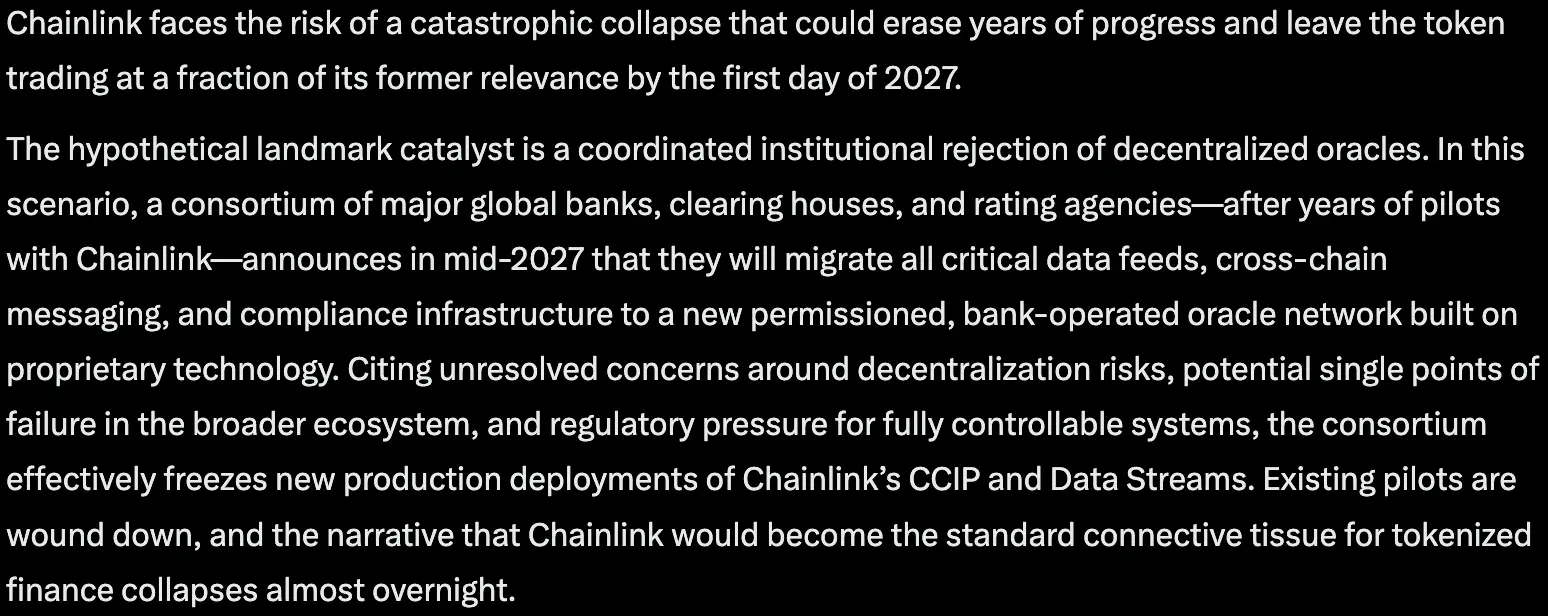 Claude AI Forecasts Chainlink Plunge in 2027
 XRP Crashes to $0.87 as ETF Assets Fall Below $1 Billion
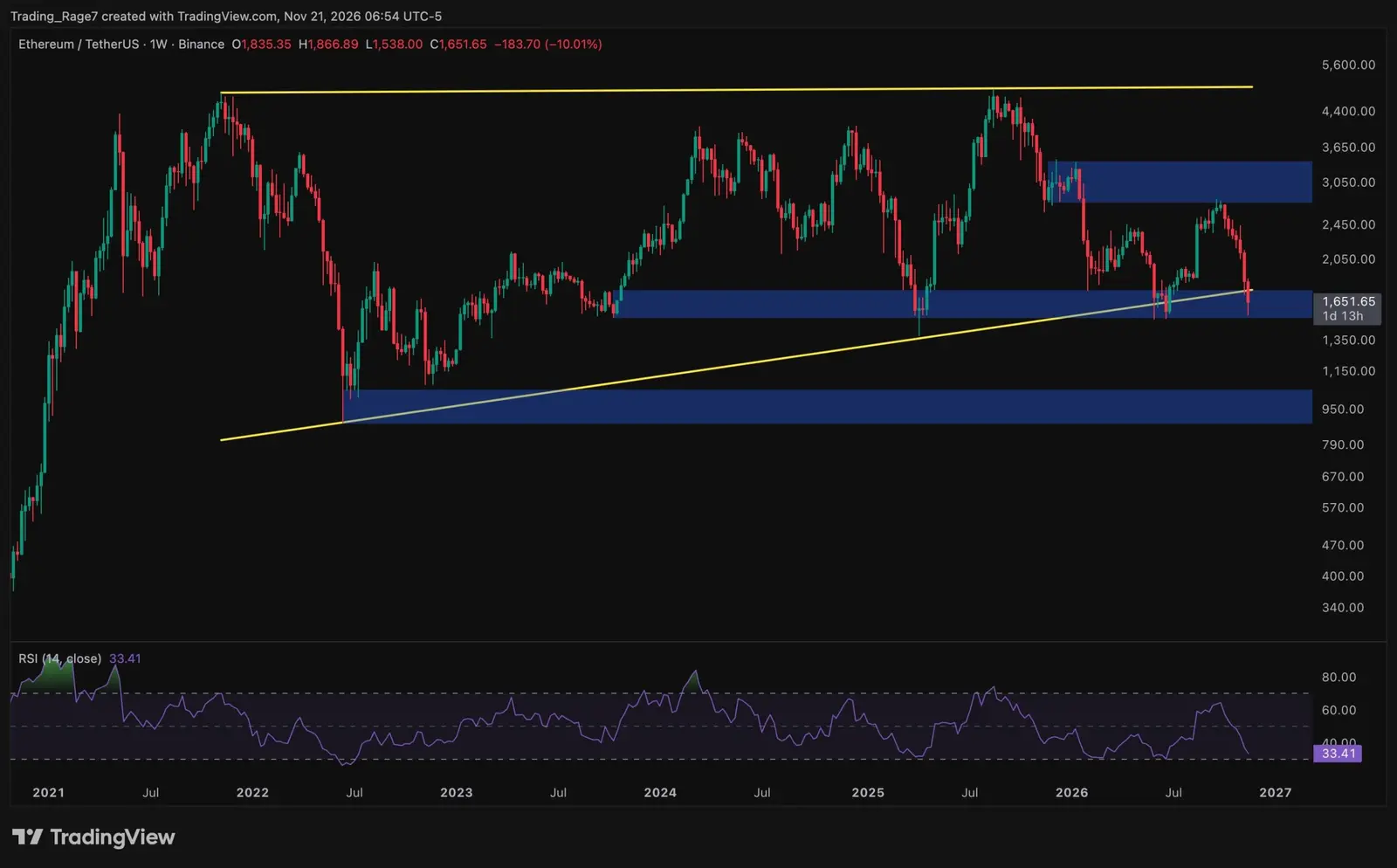 Ethereum price analysis: Did ETH hit its macro bottom after a 30% monthly drop?
The three rules center on reducing attack surface. First, keep only the minimum necessary funds in hot wallets. Second, use hardware wallets for long-term storage. Third, verify every transaction before signing. These steps aim to prevent unauthorized access and limit potential losses.
Why These Rules Matter Now
Shevchenko emphasizes that most hacks succeed because users keep large balances in connected wallets. The Binance incident showed how a single compromised key can drain billions. His first rule urges traders to move idle assets to cold storage. The second rule stresses using trusted hardware devices. The third rule requires double-checking transaction details before confirmation.
The $6.3 billion loss has shaken confidence across the sector. Investors are asking how to protect what they hold. Shevchenko's framework gives a practical checklist for everyday users. It aligns with broader industry calls for better security hygiene. As exchanges and wallets evolve, individual responsibility remains critical.
What is the biggest risk for retail crypto holders? Keeping large balances in hot wallets connected to the internet. Moving funds to hardware or cold storage reduces this risk significantly.
Frequently Asked Questions
How does the Binance hack affect wallet security practices? It highlights the cost of a single compromised key. Users are now prioritizing cold storage and transaction verification to avoid similar losses.
Are these rules only for advanced users? No. The three rules apply to anyone holding crypto. Even casual investors can benefit from basic key management and transaction checks.