Is the MiCA Regulation Effective?
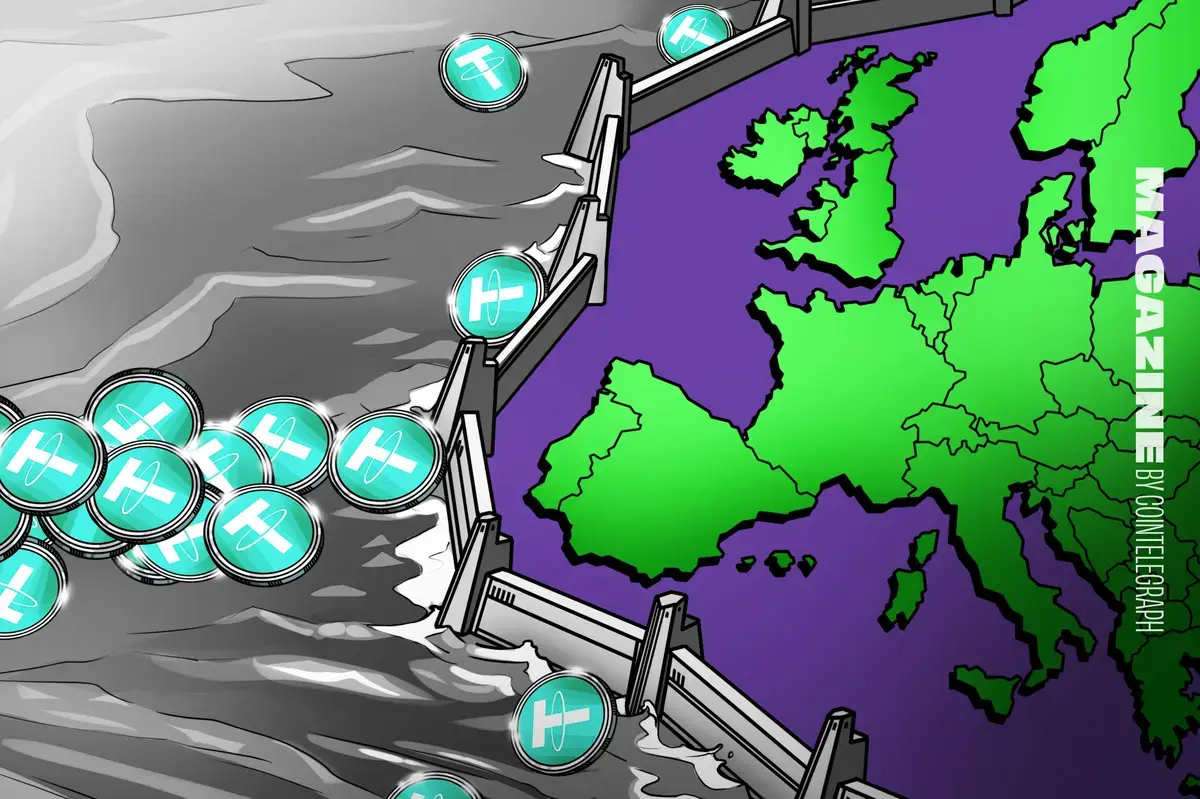
The European regulatory framework known as MiCA is causing USDT, a popular stablecoin, to vanish from many compliant platforms across Europe. This shift raises questions about the future of USDT in the region. The Markets in Crypto-Assets (MiCA) regulation aims to provide a comprehensive framework for cryptocurrency management in the EU. Despite USDT's decline in regulated markets, its overall influence appears largely unaffected on a global scale.
Breaking news
 DoubleZero Expands Edge to Include Binance Spot and Futures Data
 Ledger Scandal Spurs Surge in Multisignature Wallet Use
 FTX Mining Arm Pivots to Power Artificial Intelligence
 DeFi Development Corp Continues Buying SOL as CHAD Preferred Stock Hits Record
The MiCA regulation was established to ensure transparency and security within the cryptocurrency space. However, USDT's absence from European platforms has not led to a significant decline in its usage elsewhere. Analysts suggest that users are simply migrating to unregulated platforms or other regions, indicating a lack of immediate consequence for USDT.
Market data shows that USDT remains a dominant player in the cryptocurrency ecosystem. Even as European exchanges comply with MiCA, trading volumes for USDT in other jurisdictions continue to thrive. This resilience suggests that while regulatory measures may impact local markets, they do little to diminish USDT's global presence.
What Does This Mean for the Future of Stablecoins?
The ongoing situation raises concerns about the implications for other stablecoins. If USDT can maintain its market position despite regulatory hurdles, will this embolden other cryptocurrencies to resist compliance? The potential for regulatory arbitrage could lead to a fragmented market, where users seek alternatives that evade strict regulations.
As European regulators tighten their grip on stablecoins, the broader cryptocurrency market may see shifts in user behavior. Investors could turn to less regulated options or even explore new digital assets. The long-term effects of MiCA on the stablecoin landscape remain to be seen, but USDT's durability suggests a robust adaptability in the face of regulatory challenges.
Frequently Asked Questions
Why is USDT disappearing from regulated European platforms? USDT is being phased out from these platforms due to compliance with the MiCA regulation, which aims to enhance oversight and security in the crypto market.
Will USDT's decline in Europe affect its global usage? Despite its withdrawal from European exchanges, USDT continues to perform strongly in other regions, indicating that its global influence remains largely intact.
What could be the future for other stablecoins under MiCA? If USDT can thrive despite regulatory pressures, other stablecoins may follow suit, potentially leading to a market where compliance is selectively adopted based on regional regulations.