Bridging Traditional and Digital Finance
Major financial players recently finished a test program. J. P. Morgan, Mastercard, Ripple, and Ondo Finance were involved. They successfully redeemed a tokenized U. S. Treasury fund. The test took place on Ripple’s XRP Ledger (XRPL) this month.
Breaking news
 Solana Sandwich Bots Extract $29.7 Million, Mostly Targeting Pump.fun
 South Korean Bank Launches Bitcoin-Backed Corporate Lending Program
 Standard Chartered Expands Crypto Custody Services to Singapore
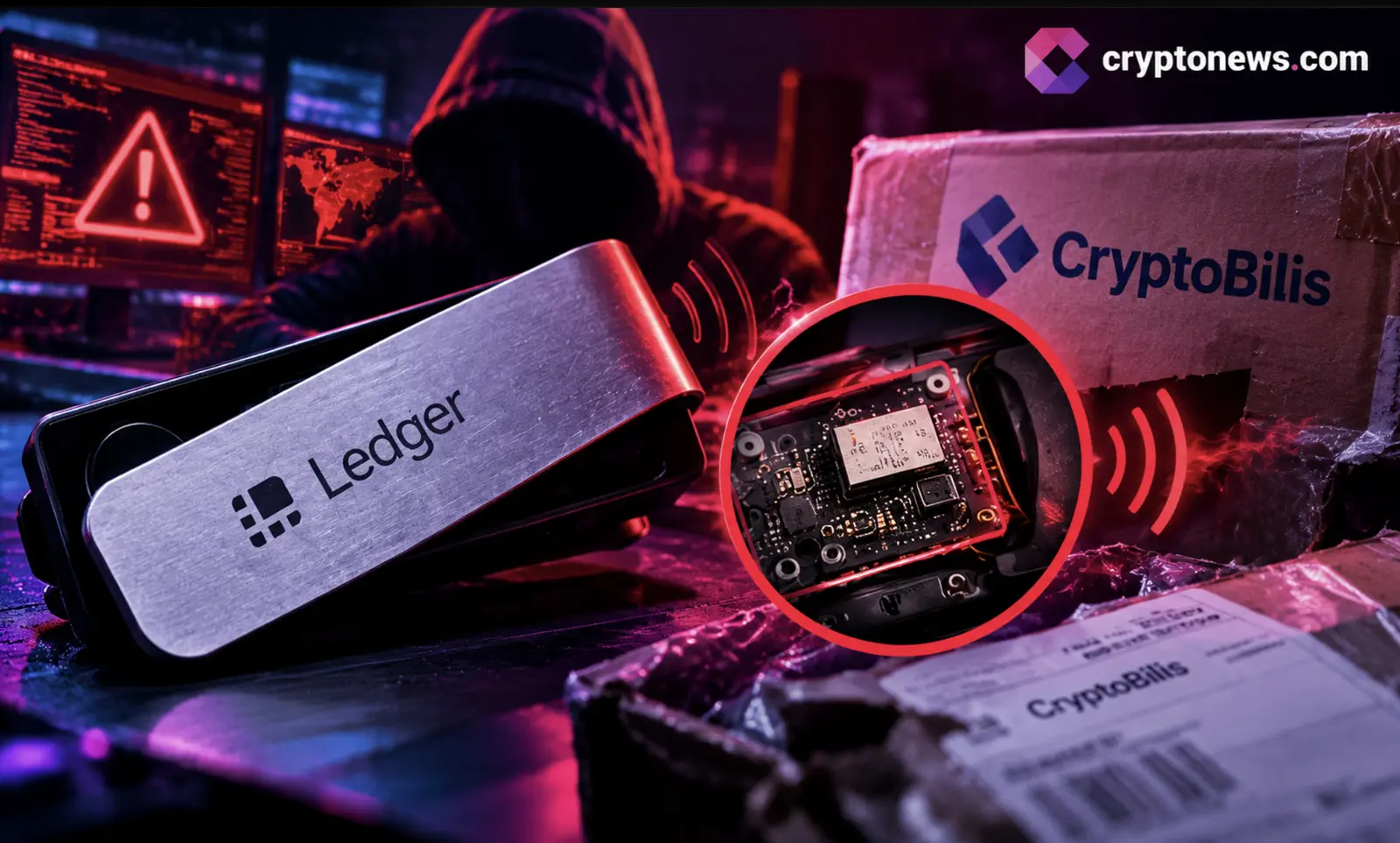 Hardware Implant Discovered in Crypto Wallet Security Investigation
The pilot aimed to connect public blockchains with traditional banking. It demonstrated the potential for faster, more efficient financial transactions. Tokenizing Treasury funds means representing them as digital tokens on a blockchain. This allows for quicker settlement compared to conventional methods. The consortium sought to prove the viability of this approach.
The core of the test involved redeeming a token representing U. S. Treasury holdings. This redemption occurred in near real-time on the XRPL. Traditionally, redeeming such funds can take days due to various processing steps. The XRPL’s speed and efficiency significantly reduced this timeframe. Ondo Finance provided the tokenized Treasury fund. Ripple provided the blockchain infrastructure. J. P. Morgan and Mastercard facilitated the transaction and observed the results.
Will Tokenized Treasuries Become Mainstream?
This pilot is significant because it involves established financial institutions. Their participation signals growing interest in blockchain technology. It suggests a willingness to explore new ways to improve financial infrastructure. The successful completion of the test could pave the way for wider adoption. It may encourage other institutions to experiment with similar technologies.
The implications of this test extend beyond just faster settlements. Tokenization could increase accessibility to Treasury markets. It could also lower costs associated with managing and trading these assets. The XRPL was chosen for its speed, scalability, and relatively low transaction fees. These features are crucial for handling high volumes of transactions.
Experts believe tokenized assets represent the future of finance. They offer increased transparency and efficiency. However, regulatory hurdles remain a significant challenge. Clear guidelines are needed to ensure the responsible development and adoption of these technologies. The consortium hopes this pilot will help inform those discussions.
Frequently Asked Questions
The successful test demonstrates a viable path forward. It shows how blockchain technology can modernize traditional finance. Expect further exploration and development in this space. Wider adoption could reshape how Treasury funds are managed and traded.
What is tokenization? Tokenization is the process of representing a real-world asset, like a U. S. Treasury bond, as a digital token on a blockchain. This allows for fractional ownership and easier transfer of the asset. It streamlines processes and potentially lowers costs.
Why use the XRP Ledger for this test? The XRPL was selected for its speed and efficiency. It offers faster transaction processing times compared to some other blockchains. This is critical for near-real-time redemption of financial assets.