Could On-Chain Support Hold Amid Political Uncertainty?
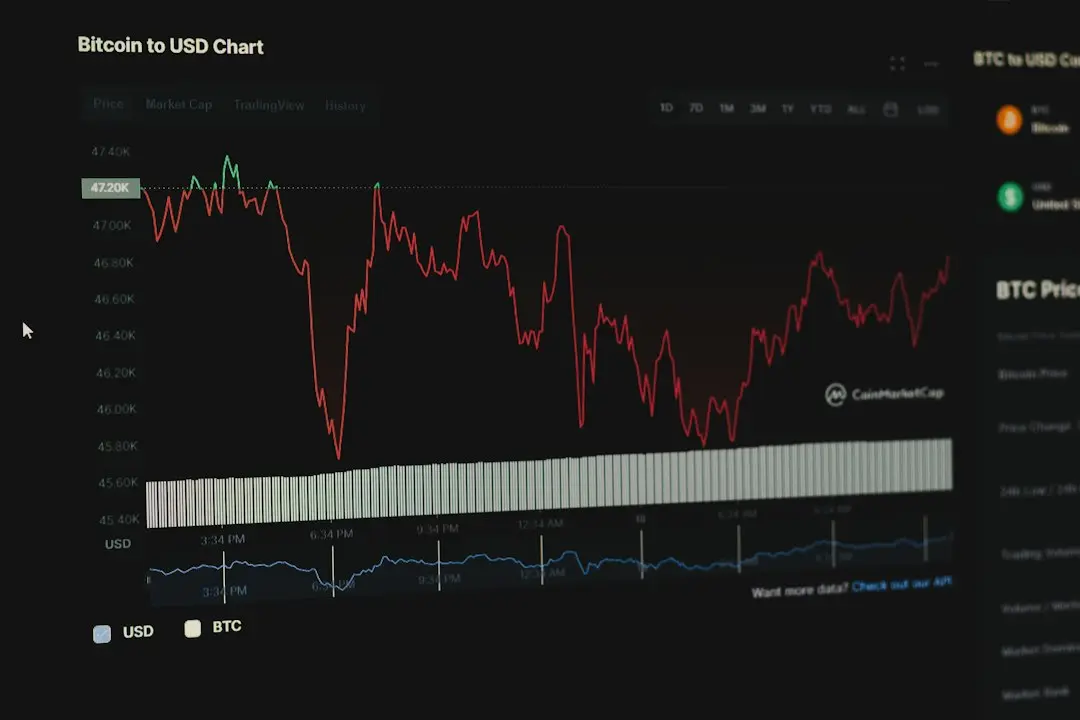
Bitcoin has declined following each of the last four US midterm elections, a trend that has drawn attention from market analysts. The pattern emerged after the 2018, 2020, 2022, and 2024 elections, with price drops occurring in the months that followed. This historical behavior has prompted discussion about whether the upcoming 2026 midterms might disrupt the established cycle. Analysts are watching key on-chain metrics to assess potential support levels.
Breaking news
 Solana Sandwich Bots Extract $29.7 Million, Mostly Targeting Pump.fun
 South Korean Bank Launches Bitcoin-Backed Corporate Lending Program
 Standard Chartered Expands Crypto Custody Services to Singapore
 Hardware Implant Discovered in Crypto Wallet Security Investigation
The $73,000 short-term holder cost basis has become a focal point in current market analysis. This level represents the average price at which recent buyers acquired their Bitcoin, and it may act as a psychological and technical floor if selling pressure intensifies. On-chain data shows that a significant portion of short-term holders are currently in profit, but a break below this level could trigger increased volatility. Market observers note that macroeconomic factors and regulatory developments will also influence Bitcoin’s trajectory regardless of historical patterns.
What Factors Could Influence Bitcoin Beyond Election Cycles?
The short-term holder cost basis is considered a critical indicator because it reflects the behavior of newer market participants who are more likely to sell during downturns. If Bitcoin sustains above $73,000, it may suggest resilience in investor confidence despite external pressures. Conversely, a breach could signal a shift in market structure and lead to deeper corrections. Analysts emphasize that while historical trends offer context, they do not guarantee future outcomes, especially in a market as dynamic as cryptocurrency.
Beyond political events, Bitcoin’s price is increasingly tied to institutional adoption, interest rate policies, and global liquidity conditions. The approval of spot Bitcoin ETFs in 2024 has brought new capital into the asset class, potentially altering its sensitivity to traditional market cycles. Additionally, upcoming halving events and changes in mining economics may play a larger role in long-term valuation. Experts caution against over-relying on seasonal patterns without considering evolving market fundamentals.
Why has Bitcoin fallen after past US midterms? Historical data shows Bitcoin declined in the months following the 2018, 2020, 2022, and 2024 midterms, though the exact causes vary and may include broader market sentiment or macroeconomic shifts.
Frequently Asked Questions
Is the $73,000 level guaranteed to hold as support? No, the $73,000 short-term holder cost basis is not a guaranteed floor; it is an analytical tool that may influence behavior but can be breached under strong selling pressure.
Could 2026 be different from previous midterm years? Yes, 2026 could break the pattern due to evolving market dynamics, increased institutional involvement, and changing macroeconomic conditions that differ from past cycles.