The Role of Leverage in the Recent Collapse
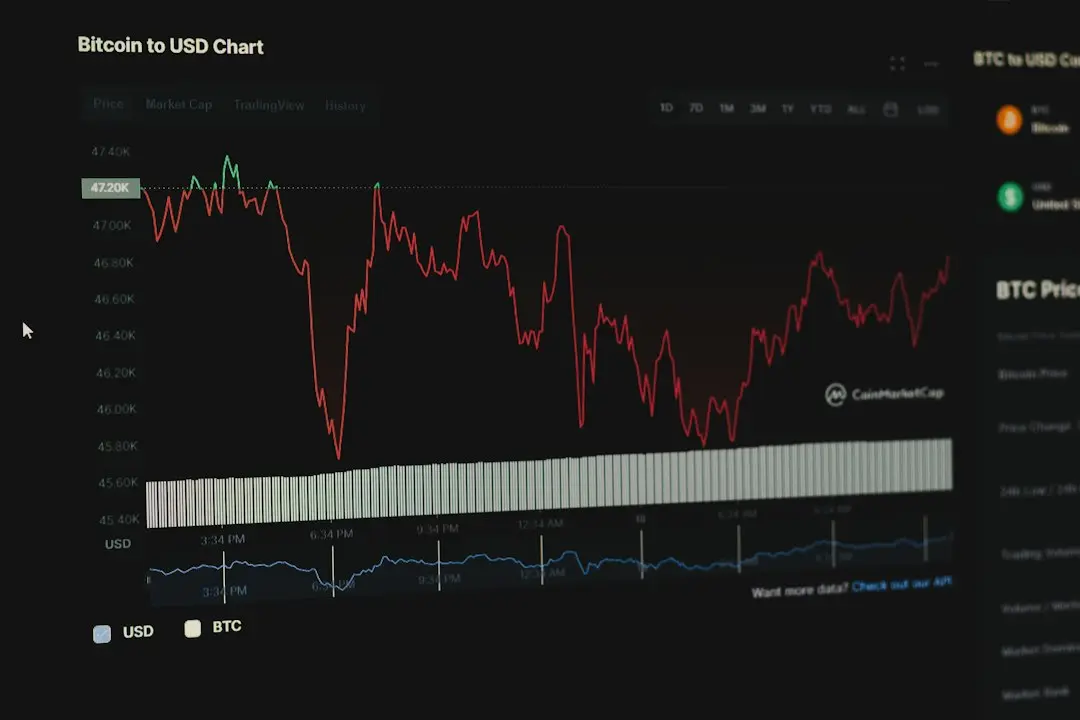
A sharp decline in crypto‑margined Bitcoin futures has seen their share of total open interest fall from nearly 100% in 2019–2020 to just 12% today. The move follows a rally that lifted Bitcoin to a weekly close near $79,175, up 1.88% from the previous week. In the last 24 hours, $570.08 million of futures positions were liquidated, with short positions absorbing the bulk of the losses.
Breaking news
 Solana Sandwich Bots Extract $29.7 Million, Mostly Targeting Pump.fun
 South Korean Bank Launches Bitcoin-Backed Corporate Lending Program
 Standard Chartered Expands Crypto Custody Services to Singapore
 Hardware Implant Discovered in Crypto Wallet Security Investigation
The contraction in futures open interest reflects a shift in market sentiment and liquidity. As Bitcoin’s price climbed, many traders who had entered short positions to profit from a potential decline found themselves forced to cover. The rapid liquidation of these positions further compressed the futures market, reducing its relative size compared to spot holdings. Analysts note that the decline in futures dominance may signal a transition toward a more balanced market structure, where spot trading regains its primacy.
Leverage has been a key driver behind the volatility in crypto futures. Traders often use high leverage to amplify gains, but this also magnifies losses. The recent liquidation spike—over half a billion dollars—highlights how quickly leveraged positions can be unwound when market conditions turn adverse. The fact that shorts were hit harder than longs suggests that many participants had bet on a downturn, only to see the market reverse sharply. This dynamic underscores the risks inherent in highly leveraged instruments and may prompt exchanges to tighten margin requirements.
Is the Short Squeeze Still in Play? (Question)
The term „short squeeze” describes a scenario where short sellers are forced to buy back assets to cover losses, driving prices higher. While the recent liquidations indicate a strong short squeeze, the sharp drop in futures open interest raises doubts about its sustainability. If the squeeze were to persist, we would expect continued upward pressure on Bitcoin, but the reduced futures footprint could limit the magnitude of future price swings. Market watchers are now monitoring whether spot trading will absorb the excess liquidity or if new short positions will emerge, potentially reigniting the squeeze.
The immediate consequence of the collapse is a tighter futures market, which could reduce volatility in the short term. However, the underlying drivers—such as institutional interest, regulatory developments, and macroeconomic factors—remain unchanged. Bitcoin’s price may continue to move in response to broader economic signals, while the futures market adjusts to a new equilibrium.
Frequently Asked Questions
Q1: Why did Bitcoin futures open interest fall so dramatically? A1: The fall is due to a large liquidation of leveraged positions, especially shorts, which reduced the overall size of futures contracts relative to spot holdings.
Q2: What does a 12% share of open interest mean for traders? A2: It indicates that only a small portion of market activity is in futures, suggesting that spot trading is now the dominant form of Bitcoin exposure.
Q3: Will the short squeeze end soon? A3: The end is uncertain; the reduced futures presence may limit further squeezes, but new short positions could still form if market conditions shift.