
Why the Liquidation Wave Was So Massive
The world’s leading cryptocurrency slipped below the $80,000 threshold on Thursday, triggering roughly $1.3 billion in forced liquidations across major exchanges. The drop unfolded during early Asian trading hours, as market participants scrambled to meet margin calls amid a sudden sell‑off. Analysts point to a combination of profit‑taking, tightening monetary policy signals, and heightened volatility as key drivers of the plunge.
Breaking news
 Bitcoin Miners Face Hardware Shortage as AI Boom Strains Chip Supply
 Claude AI Forecasts Chainlink Plunge in 2027
 XRP Crashes to $0.87 as ETF Assets Fall Below $1 Billion
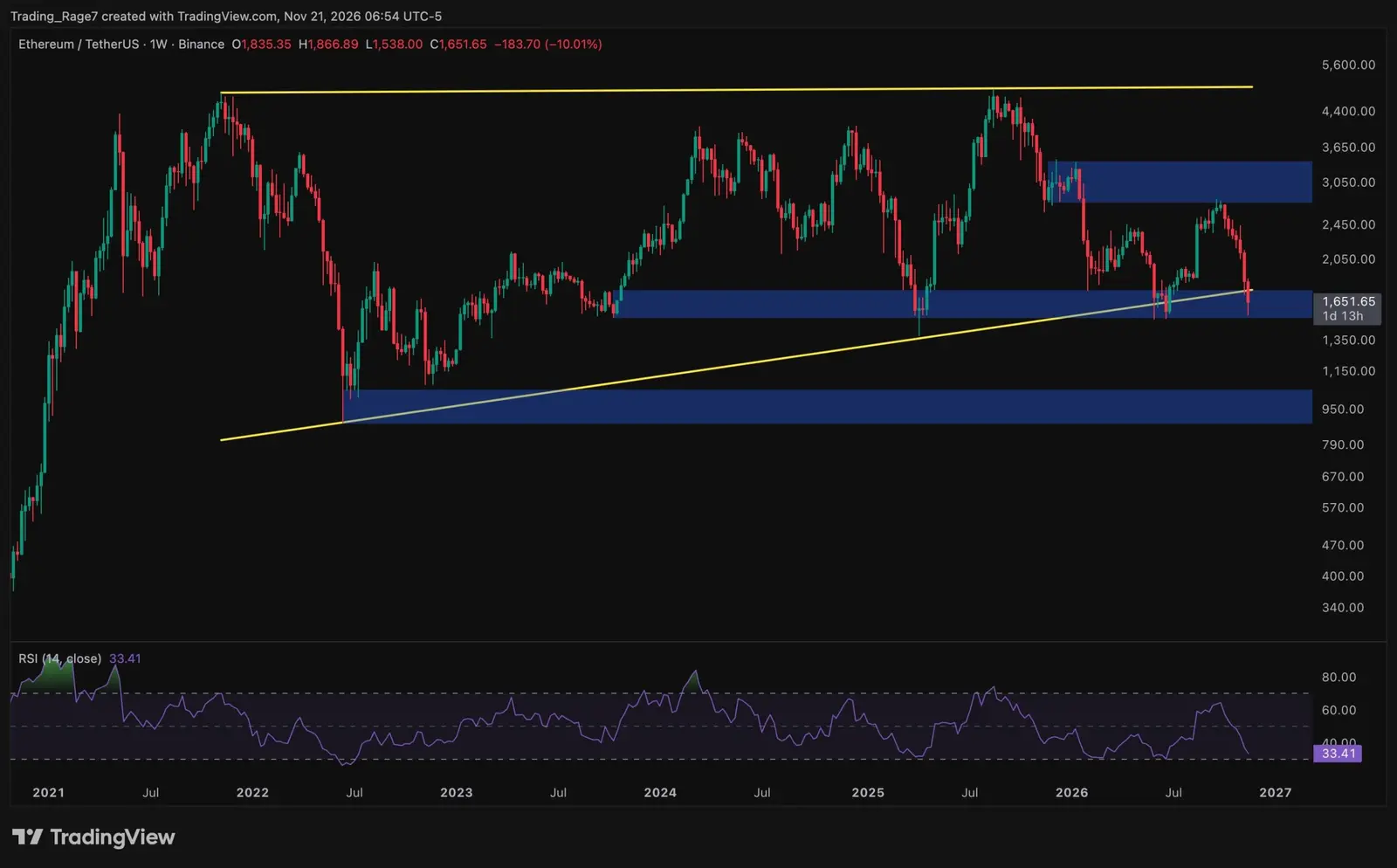 Ethereum price analysis: Did ETH hit its macro bottom after a 30% monthly drop?
The cascade began after Bitcoin’s price stalled just above $84,000 for several days, prompting leveraged traders to unwind positions. As the price breached the $80,000 line, margin calls were activated, and many short‑term contracts were automatically closed, erasing billions in paper gains. The rapid unwind was amplified by a surge in short‑term futures volume, which had risen sharply in the weeks preceding the event. Meanwhile, UE Crypto, a European fintech firm, launched a cloud‑based mini‑mining service that attracted attention but did not materially affect the price movement.
The $1.3 billion figure reflects the combined value of leveraged long and short positions that were unable to meet margin requirements. „We saw an unprecedented concentration of short‑dated contracts, many held by retail traders with limited risk buffers,” said Maya Patel, senior analyst at Global Crypto Insights. „When the price slipped, the system’s automatic liquidation mechanisms kicked in, wiping out positions in a matter of minutes.”
Could This Be a Buying Opportunity for Long‑Term Holders?
Data from leading exchanges show that the average leverage ratio for Bitcoin contracts hovered around 5x in the week before the crash, a level considered risky in volatile markets. The sudden price dip also coincided with a modest uptick in U. S. Treasury yields, prompting investors to reallocate capital away from riskier assets. Moreover, the announcement of UE Crypto’s cloud mini‑mining platform added a layer of speculation, as some traders attempted to hedge exposure using the new service, only to be caught in the broader market swing.
Long‑term investors may view the dip as a chance to accumulate Bitcoin at a discount. Historical patterns suggest that major corrections often precede periods of renewed growth, especially when institutional interest remains strong. „If you have a diversified portfolio and can tolerate short‑term volatility, buying the dip could enhance long‑term returns,” noted Patel.
However, experts caution that the market’s volatility remains elevated. The $1.3 billion liquidation event underscores the dangers of excessive leverage, and regulators are watching closely for systemic risks. Potential policy shifts, such as tighter reporting requirements for crypto derivatives, could further influence price dynamics. Investors are advised to assess risk tolerance, consider dollar‑cost averaging, and avoid over‑leveraging positions in a market that can swing sharply within hours.
What Does This Mean for the Crypto Market’s Future?
The immediate fallout includes tighter margin requirements on several platforms and a temporary slowdown in new leveraged product launches. Market sentiment has turned more cautious, with many traders opting for lower‑leverage strategies. Yet, the underlying demand for Bitcoin remains robust, supported by ongoing institutional adoption and expanding use cases in payments and treasury management.
Looking ahead, analysts expect the price to test the $78,000‑$80,000 range before potentially rebounding, provided macroeconomic pressures ease. The episode serves as a reminder that while Bitcoin can offer significant upside, it also carries the risk of rapid, large‑scale liquidations that can reshape market dynamics in a single trading session.
Frequently Asked Questions
Why did Bitcoin’s price drop so sharply? A combination of profit‑taking, high leverage ratios, and broader macroeconomic signals, such as rising Treasury yields, triggered a cascade of margin calls that forced the price down.
Is the $1.3 billion liquidation figure unusual? Yes. While liquidations are common in crypto markets, the scale of $1.3 billion in a single day is among the largest recorded, reflecting the concentration of leveraged positions.
Should I buy Bitcoin now that it’s below $80,000? If you have a long‑term horizon and can handle volatility, buying on dips can be advantageous. However, avoid excessive leverage and ensure the purchase aligns with your overall risk profile.