
Federal Oversight Replaces Patchwork State Rules
The Commodity Futures Trading Commission has released a draft rule that would allow certain crypto exchanges to register directly with the federal agency. The proposal targets platforms offering leveraged, margin, or financing products to retail investors. This move signals a shift toward centralized federal oversight of high-risk crypto trading venues.
Breaking news
 Bitcoin Miners Face Hardware Shortage as AI Boom Strains Chip Supply
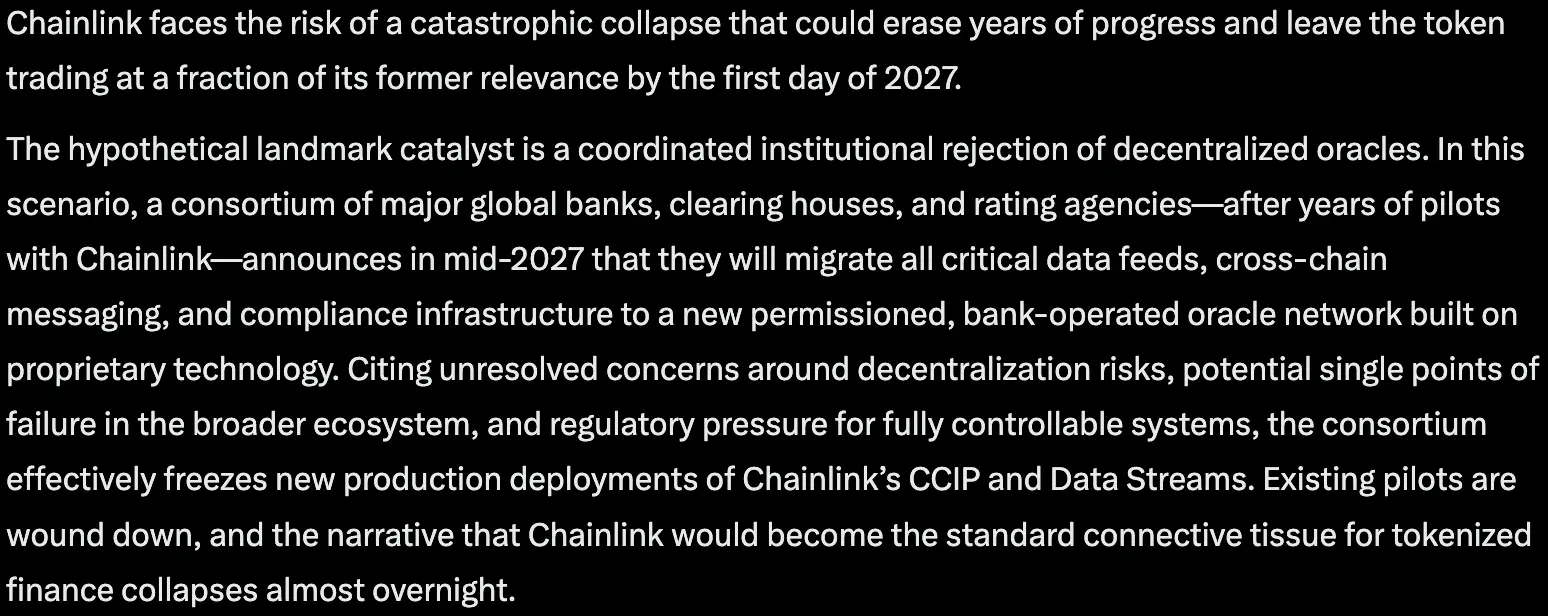 Claude AI Forecasts Chainlink Plunge in 2027
 XRP Crashes to $0.87 as ETF Assets Fall Below $1 Billion
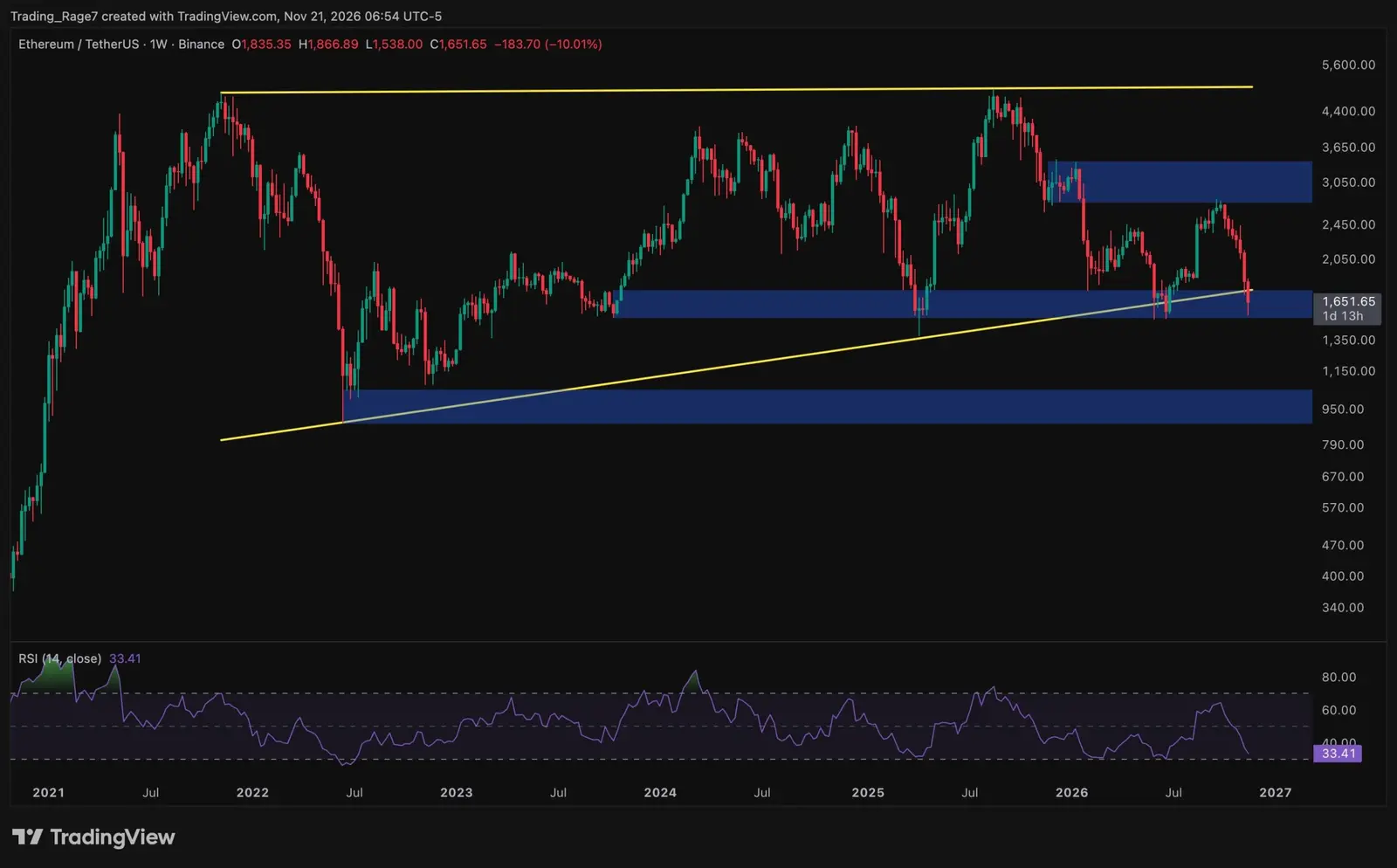 Ethereum price analysis: Did ETH hit its macro bottom after a 30% monthly drop?
The rule specifically addresses exchanges that extend credit or leverage to individual traders. By offering a federal registration pathway, the CFTC aims to clarify regulatory jurisdiction and reduce compliance ambiguity. This framework could standardize how these platforms operate under federal law.
Currently, crypto exchanges often navigate a complex web of state regulations. The CFTC proposal seeks to consolidate this oversight at the federal level. Exchanges that choose this route would file directly with the CFTC rather than relying solely on state licensing. This creates a single regulatory interface for leveraged crypto platforms.
How Will This Affect Retail Traders?
The agency emphasized that the option is voluntary. Exchanges can opt in to federal registration if they believe it offers clearer guidance or broader market access. This flexibility is designed to encourage compliance without forcing a one-size-fits-all mandate.
Retail investors using leveraged products would gain additional protections under federal rules. The CFTC can enforce capital requirements, risk management standards, and disclosure obligations. This could reduce the risk of platform failures or misleading marketing practices that have plagued the sector.
Industry observers note that federal registration may also facilitate cross-state and cross-border operations. A unified rulebook removes jurisdictional friction for exchanges serving customers in multiple states. This could lower operational costs and encourage more platforms to enter the regulated market.
The proposal is currently in comment period before finalization. If adopted, it would represent a major expansion of CFTC authority over digital asset markets. Crypto exchanges would need to prepare for new compliance infrastructure, including reporting systems and risk controls. The final rule could reshape how leveraged crypto trading is supervised in the United States.
Frequently Asked Questions
Will all crypto exchanges be forced to register federally? No. The proposal offers a voluntary federal registration option specifically for exchanges providing leveraged or margin products. Other exchanges can continue operating under existing state or federal frameworks.
What products qualify for this new registration option? The rule targets exchanges that offer leveraged, margin, or financing options to retail customers. Spot-only exchanges without credit products are not the primary focus of this specific proposal.
How soon could the final rule take effect? The CFTC is currently accepting public comments on the draft. Final adoption timing depends on the comment period length and internal review, typically several months after release.