Inflation Fight Requires Sustained Effort, Warsh Warns
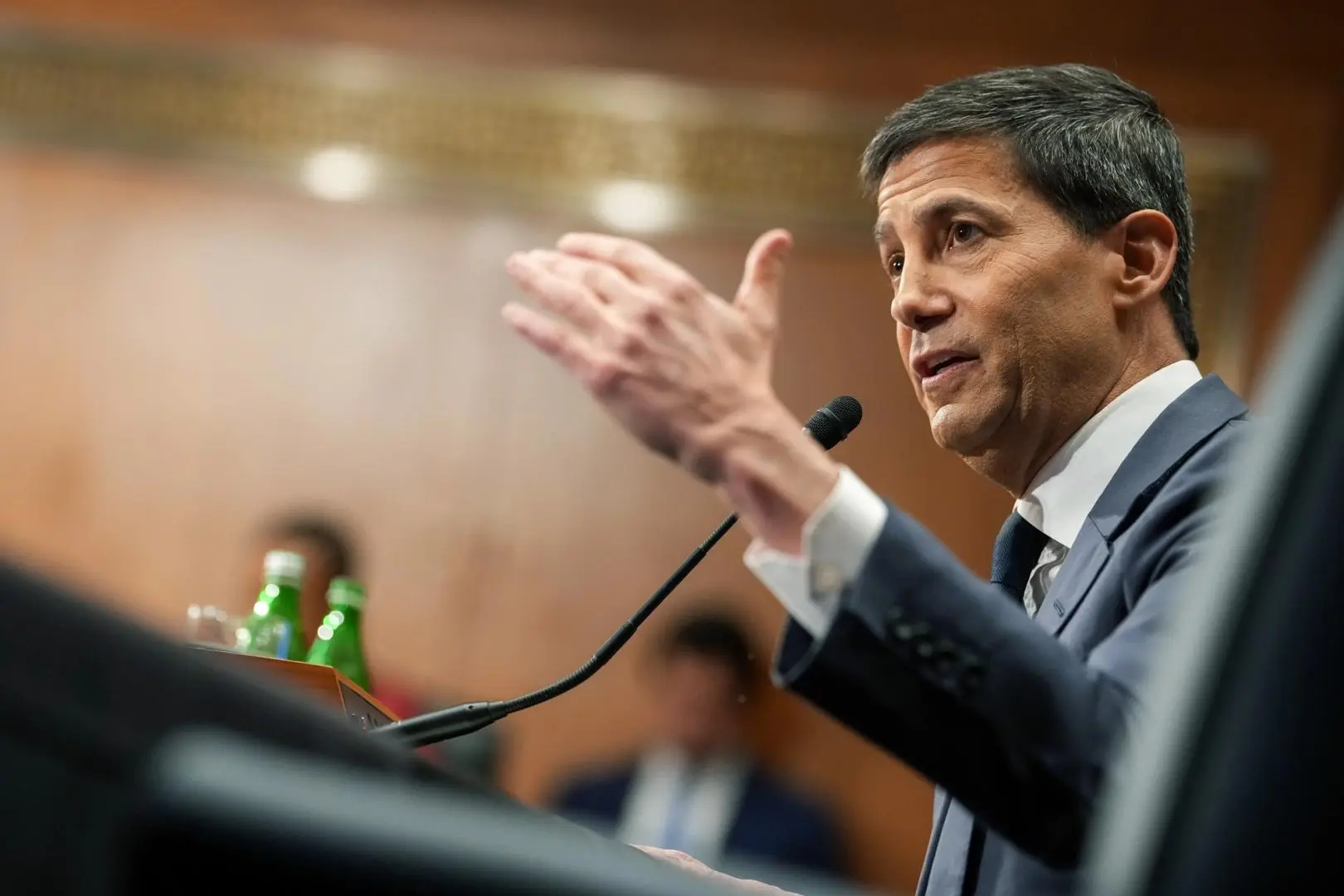
Federal Reserve Chair Kevin Warsh delivered highly anticipated remarks at the Kansas City Federal Reserve's annual Jackson Hole symposium on Friday morning, addressing inflation concerns and monetary policy direction. His comments came as traders closely watched for signals about future interest rate moves, with markets reacting swiftly to his tone. The speech took place amid ongoing debates over how aggressively the Fed should tighten policy to combat persistent price pressures.
Breaking news
 Bitcoin Faces Aggressive Shorting as Dollar Index Surges
 Bitcoin Holds Ground Amid Oil Concerns, Analysts Say Buy on Dips
 Bitcoin Miners Grapple With Rising AI Funding Costs Amid Tightened Lender Scrutiny
 Ethereum Reserves on Binance Hit Seven-Month Low Amid Sharp Liquidity Decline
Warsh adopted a distinctly hawkish tone, stating plainly that we have work to doon inflation, which immediately prompted traders to increase their bets on a potential September interest rate hike. He emphasized that inflation remains too high and that the central bank must remain vigilant in its efforts to restore price stability. The remarks underscored growing concern within the Fed that inflation may not be transitory, reinforcing expectations for continued tightening despite risks to economic growth.
How Aggressive Will the Fed Be in Coming Months?
Warsh elaborated that defeating inflation would require more than temporary measures, arguing that the Fed needs to maintain restrictive policy until there is clear evidence of sustained progress toward the 2% target. He noted that recent data showed inflation proving stickier than anticipated, particularly in services sectors, which necessitated a cautious approach. The chair also acknowledged that achieving this goal might involve some softening in labor markets, though he stressed that restoring price stability was essential for long-term economic health. His remarks reflected internal Fed debates about balancing inflation control with avoiding unnecessary economic damage.
Following Warsh's speech, financial markets immediately adjusted expectations, with traders pricing in a higher probability of a 25-basis-point rate increase at the September Federal Open Market Committee meeting. Analysts noted that the chair's language left little room for interpretation regarding the Fed's commitment to fighting inflation, even if it meant tolerating slower growth. However, Warsh stopped short of guaranteeing a September hike, instead emphasizing that decisions would remain data-dependent and meeting-by-meeting. This nuance left some room for flexibility while maintaining an overall tightening bias.
What did Kevin Warsh mean by saying we have work to doon inflation? He meant that inflation remains above the Fed's 2% target and requires continued restrictive monetary policy to bring it down sustainably, rather than declaring victory too soon.
Frequently Asked Questions
Did Warsh confirm a September interest rate hike? No, he did not confirm a specific hike but signaled that traders should expect one unless incoming data shows clear and lasting improvement in inflation trends.
Why did markets react strongly to his Jackson Hole remarks? Markets reacted because his tone was notably more hawkish than expected, reinforcing fears that the Fed will keep rates higher for longer to conquer inflation, which directly affects borrowing costs and asset valuations.