Why Are Traders Holding Instead of Trading?
Global crypto market capitalization surged by 40% during the third quarter, yet retail spot trading volumes on major centralized exchanges failed to keep pace. This divergence highlights a key structural shift in how investors are engaging with digital assets.
Breaking news
 Dogecoin Bounces Back After Brutal 65% Year-Long Slide
 Bitcoin Miners Face Hardware Shortage as AI Boom Strains Chip Supply
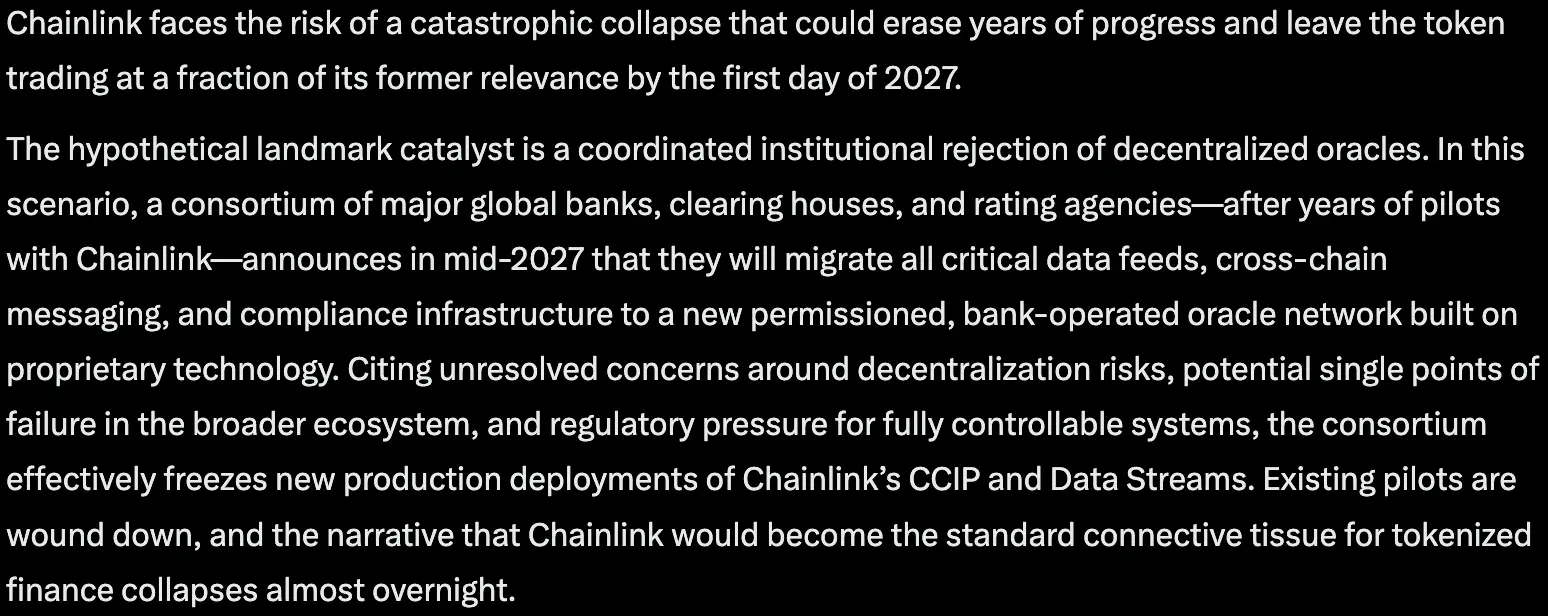 Claude AI Forecasts Chainlink Plunge in 2027
 XRP Crashes to $0.87 as ETF Assets Fall Below $1 Billion
e Toro reported that its funded user accounts grew by 18% over the past year. Despite this user growth, clients placed 62% fewer crypto trades in October compared to the same month last year. The data reveals that while more people are opening accounts, they are trading less frequently.
Market analysts attribute the drop in spot volumes to a shift toward long-term holding strategies. As prices rebounded sharply, many retail investors chose to lock in gains or hold for further appreciation rather than execute frequent trades. This behavior contrasts with the high-frequency trading patterns seen in previous bull cycles.
What Does This Mean for Future Market Structure?
The contraction in spot turnover across major centralized platforms reflects a broader trend. Investors are increasingly using derivative products and staking mechanisms instead of spot markets. This shift reduces direct spot trading activity while still capturing market upside.
The disconnect between price performance and trading volume suggests a maturing market. Retail participation is becoming more strategic, with investors prioritizing capital preservation and long-term exposure over active trading. This could lead to more stable price action but lower liquidity in spot markets.
Financial institutions are taking notice of the trend. Several have expanded their crypto custody and staking services to capture the shift in investor behavior. The data from e Toro serves as a clear indicator that the retail crypto investor is evolving from a trader to a holder.
Frequently Asked Questions
Why did crypto prices rise 40% while trading volumes fell? Prices rose due to institutional inflows and market sentiment recovery. Trading volumes fell because retail investors shifted from active trading to long-term holding strategies.
What does the 62% drop in e Toro trades indicate? It indicates that while account numbers grew, actual trading activity declined sharply. This suggests investors are holding their positions rather than constantly buying and selling.
Will this trend continue into Q4? Analysts expect the holding pattern to persist as investors remain cautious about volatility. Institutional interest in staking and derivatives may further reduce spot trading volumes.